FEATURED STORY OF THE WEEK
Improving Public Cybersecurity in the Face of Modern Threats


As the cybersecurity landscape continues to evolve, federal agencies are struggling to keep pace. “Every day, our adversaries are using known vulnerabilities to target federal agencies,” CISA Director Jen Easterly said in a 2021 report. To meet the increasing number of threats, these agencies need to ramp up their cybersecurity technology adoption and best practices.
Unfortunately, many organizations have been slow to adopt new measures, and some are still using outdated technologies and procedures. This leaves them vulnerable to a variety of cyber-attacks that could potentially cause serious damage. “In the past year alone, investigators discovered large-scale hacking campaigns from both China and Russia, both of which broke into and stole information from multiple agencies,” the report states.
This article identifies the risks and responsibilities of government agencies as they work to protect sensitive government information. It shares details of opportunities to improve their cybersecurity methods and regulations, and to exact positive change in their cybersecurity posture for the future.
A History of Cybersecurity within U.S. Federal Agencies
The U.S. government has a long history of cybersecurity efforts dating back to the Cold War. In response to the more recent and growing threats of cyber-attacks, Congress passed the Federal Information Security Management Act (FISMA) in 2002. This law established minimum cybersecurity standards for federal agencies and required them to periodically report on their compliance with these standards.
Despite these measures, federal agencies continue to struggle with cybersecurity. In recent years, there have been several high-profile breaches, including the U.S. Office of Personnel Management (OPM) breach in 2015 and the Equifax breach in 2017. These incidents exposed the personal information of millions of people and caused significant damage to the reputations of these organizations.
Why Do Cyber Criminals Target the U.S. Public Sector?
U.S. public sector organizations are attractive targets for cyber criminals. U.S. federal agencies hold a large amount of sensitive data, including personal information and confidential government records. They are especially appealing targets for well-funded state-sponsored cybercriminals. These attackers
are financed by oppositional governments; terrorist organizations; and other, similar groups often motivated by politics or ideologies that are antagonistic to the United States and its allies.
Several conditions unique to public sector organizations also make them desirable targets when compared to private sector organizations with similar caches of sensitive data. For example:
- .Legacy Systems. One of the most significant challenges U.S. federal agency and other public sector organizations face is the vast number of legacy systems and applications that are in use. Many of these systems were not designed with cybersecurity in mind and are therefore more
vulnerable to attack.
- Talent Shortages. Too often, federal agency cybersecurity teams are understaffed and overworked, which leaves them with less time to devote to cybersecurity. Budgetary and hiring problems make it difficult to attract and retain top cybersecurity talent. Cyber criminals may see opportunities in these shortcomings..
- Lack of Uniformity. The federal government is a large and complex organization, which makes it difficult to implement cybersecurity initiatives across all agencies. Some agencies may be more dedicated to cybersecurity protection and accountability than others, complicating governance.
Public sector organizations share these and other challenges with many of their private sector counterparts. However, bureaucracies and other unique aspects of the public sector may impact these organizations’ abilities to transition to a more modern cybersecurity posture in a timely way.
Public Sector Attacks Growing More Common
Now, federal agencies face a variety of cyber-attacks because of these circumstances and shortcomings. Most often these include familiar, well-publicized attack vectors, such as:
- Phishing attacks. Criminals send false emails or other communications to trick people into revealing their personal information. For example, the recent spear-phishing campaign that targeted the U.S. Department of State “leveraged an account hosted by a third-party email service to send malicious emails to approximately 350 organizations, including federal agencies and NGOs,” CISA reported in May 2021.
- Malware infections. Criminals use malicious software to gain access to a computer or network. For example, in July 2021, Iranians posing as “recruiters, journalists, and NGO affiliates” used malware-infected files to target U.S. military personnel, CSIS reports.
- Denial-of-service (DDoS) attacks. Criminals flood a website or server with traffic to make it inaccessible.
To improve their cybersecurity posture, federal agencies need to adopt best practices that are aligned with the current threat landscape. This includes investing in modern technologies and security solutions, as well as increasing their focus on cybersecurity awareness and training. By doing so, they can better protect themselves against the ever-evolving threats that they face.
Critical Cybersecurity Initiatives for the U.S. Public Sector
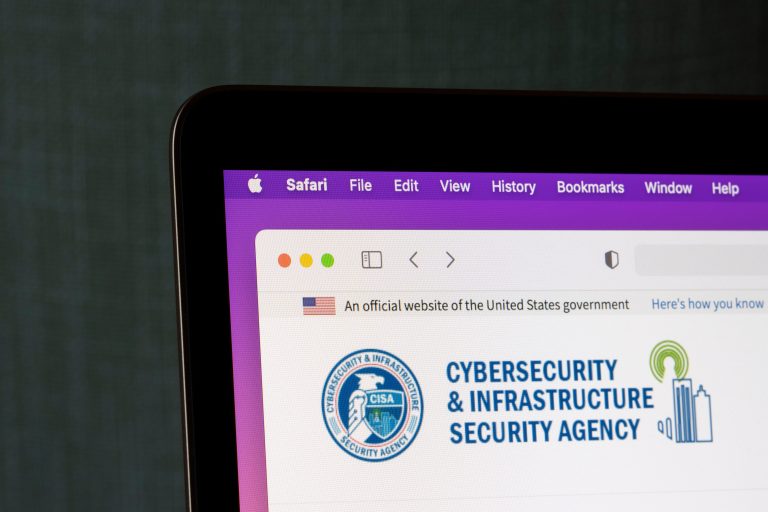
There are several cybersecurity initiatives underway within the U.S. federal government. That includes the historic formation of the Cybersecurity and Infrastructure Security Agency (CISA), which was created in response to the Russian hacking of state election systems in 2016. CISA protects critical infrastructure from cyber-attacks and works to improve both awareness and training across the federal government.
Other important initiatives include the Federal Cybersecurity Research and Development Strategic Plan, which is working to develop new technologies and solutions to improve cybersecurity, and CISA’s Continuous Diagnostics and Mitigation (CDM) program, which is working to better identify and mitigate
cybersecurity risks. Collectively, these initiatives seek to improve the U.S. Federal Governments cybersecurity posture across agencies for the long term. Methods by which that can be accomplished include:
- Investing in modern cybersecurity technologies and solutions. This includes next-generation firewalls, advanced intrusion detection and prevention systems, and data loss prevention solutions.
- Increasing cybersecurity awareness and training—one of the best ways to improve cybersecurity. This can be done through cybersecurity awareness campaigns, regular training sessions, and the use of simulations to test employees' knowledge and response to cybersecurity threats.
- Implementing new cybersecurity best practices. U.S. Federal agencies should implement these across all departments and levels of government. This includes creating a cybersecurity policy, implementing strong authentication and authorization controls, and establishing incident response plans.
- Developing new cybersecurity technologies and solutions unique to their organizations. Keeping ahead of cybersecurity threats involves U.S. Federal agencies investing in research and development efforts to develop new cybersecurity technologies and solutions that are unique to each of their organizations needs.
- Implementing better cybersecurity risk management practices. This includes identifying and assessing cybersecurity risks, implementing controls to mitigate those risks, and continuously monitoring and responding to changes in the cybersecurity landscape.
With these methods, U.S. Federal agencies and other public sector organizations can better protect themselves against cyber threats; they can ensure the security of their critical systems and data.
Staying Ahead of Future Cyber Threats
As the threat landscape continues to evolve, public sector organizations must become more proactive in their efforts to anticipate and prevent breaches. Cybersecurity tools that incorporate new breakthroughs in AI will be essential as bad actors use AI-based weapons in their own attacks. Now that
cybersecurity is a top priority among agencies’ senior leadership, there has never been a better opportunity to transform and improve.
Partner with Semifly as You Begin Your Cybersecurity Transformation
If you are interested in identifying and launching successful cybersecurity methodologies at your own organization, Semifly can help. Contact one of our cybersecurity experts for a free consultation today.



More Similar Insights and Thought leadership
No Similar Insights Found
Subscribe today to receive more valuable knowledge directly into your inbox
We are writing frequenly. Don’t miss that.
Subscribe to get updates

Unregistered User
It seems you are not registered on this platform. Sign up in order to submit a comment.
Sign up now