FEATURED STORY OF THE WEEK
Machine Learning Takes Off: The Future of Aerospace with AI

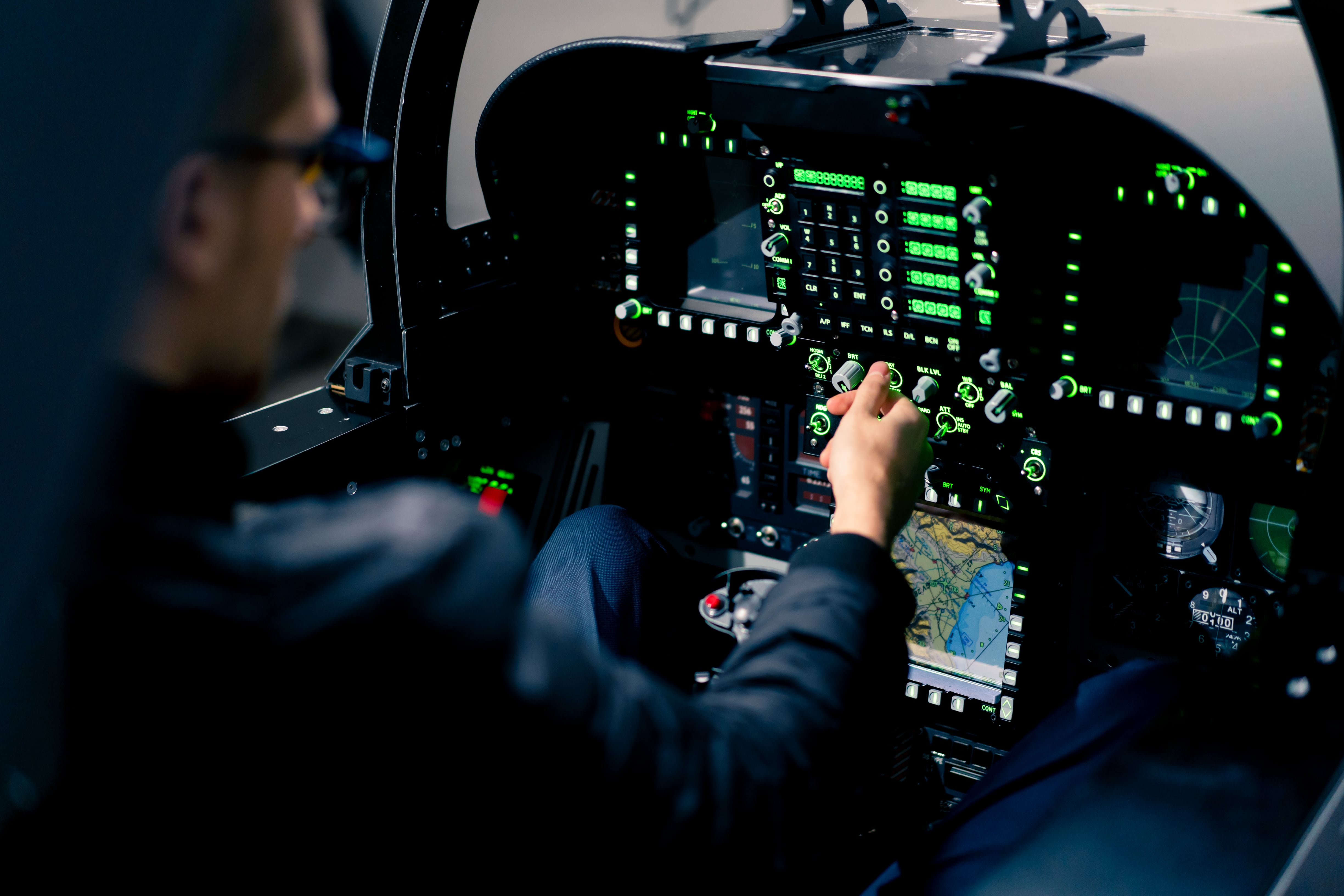
Imagine a world where airplanes design themselves, rockets navigate autonomously, and robots perform complex repairs in space. This is no longer the realm of science fiction, but a glimpse into the future powered by Artificial Intelligence (AI). AI is rapidly transforming the aerospace industry, from design and development to manufacturing and operation. Buckle up, as we explore how AI is taking aerospace engineering to new heights.
AI in Aerospace Engineering: A Perfect Match
The field of aerospace engineering thrives on innovation and pushing the boundaries of what’s possible. Here’s why AI is a perfect match for this dynamic industry:
• Massive Data Analysis: Aerospace projects generate vast amounts of data, from sensor readings to flight patterns. AI algorithms can analyze this data with unprecedented speed and accuracy, uncovering hidden insights and optimizing performance.
• Complex Simulations: Designing and testing aircraft is an intricate process. AI can create hyper-realistic simulations, allowing engineers to test new concepts and identify potential problems before a single metal sheet is bent.
• Autonomous Systems: AI paves the way for the development of autonomous vehicles, not just on the ground but also in the air and beyond. Imagine drone swarms performing inspections on satellites or robots assembling spacecraft in orbit.
AI-driven Aerospace Innovations
The applications of AI in aerospace engineering are as diverse as the cosmos itself. Let’s explore some exciting advancements:
• Smarter Aircraft Design: AI can analyze historical data and flight patterns to optimize aircraft design for fuel efficiency, performance, and safety. Imagine planes that adjust their wing configurations in real-time for optimal airflow based on weather conditions.
• Predictive Maintenance: AI algorithms can analyze sensor data from aircraft engines and other critical systems to predict potential failures before they occur. This allows for preventative maintenance, minimizing downtime and ensuring safer skies.
• Enhanced Air Traffic Management: AI can streamline air traffic management by optimizing flight paths, reducing congestion, and improving overall efficiency. This translates to shorter travel times and a smoother flying experience for passengers.
The Future of Aerospace with AI
The integration of AI in aerospace engineering promises a future filled with groundbreaking possibilities:
• Autonomous Space Exploration: AI-powered robots can take on increasingly complex tasks in space, paving the way for deeper exploration and the potential for colonizing other planets.
• Personalized Air Travel: Imagine airplanes that adapt to individual passenger needs, adjusting cabin temperature and pressure for optimal comfort.
• Hypersonic Flight: Developing hypersonic vehicles capable of traveling at several times the speed of sound requires advanced materials and flight control systems. AI can play a crucial role in optimizing these technologies for safe and efficient hypersonic travel.
Challenges and Considerations
While AI offers a wealth of benefits, there are also challenges to consider:
• Safety and Security: Ensuring the safety and security of AI-powered systems in critical applications like aircraft control is paramount. Robust security protocols and fail-safe mechanisms are essential.
• Ethical Considerations: The development of autonomous weapons systems raises ethical concerns. Open discussions and regulations are necessary to ensure responsible use of AI in the aerospace industry.
Conclusion: A Collaborative Future
The future of aerospace engineering lies in a collaborative partnership between human ingenuity and artificial intelligence. As AI continues to evolve, its capabilities in aerospace will undoubtedly soar to new heights. This exciting fusion of technology holds the potential to revolutionize air travel, unlock the mysteries of the cosmos, and propel humanity towards a future filled with incredible possibilities.Semifly provides innovative solutions to leaders in aerospace and defense (A&D) around the world.Contact Semifly today to learn more about our capabilities.


More Similar Insights and Thought leadership
No Similar Insights Found
Subscribe today to receive more valuable knowledge directly into your inbox
We are writing frequenly. Don’t miss that.
Subscribe to get updates

Unregistered User
It seems you are not registered on this platform. Sign up in order to submit a comment.
Sign up now