FEATURED STORY OF THE WEEK
Memory Matters: Choosing the Right Intel® Solution for Your Needs

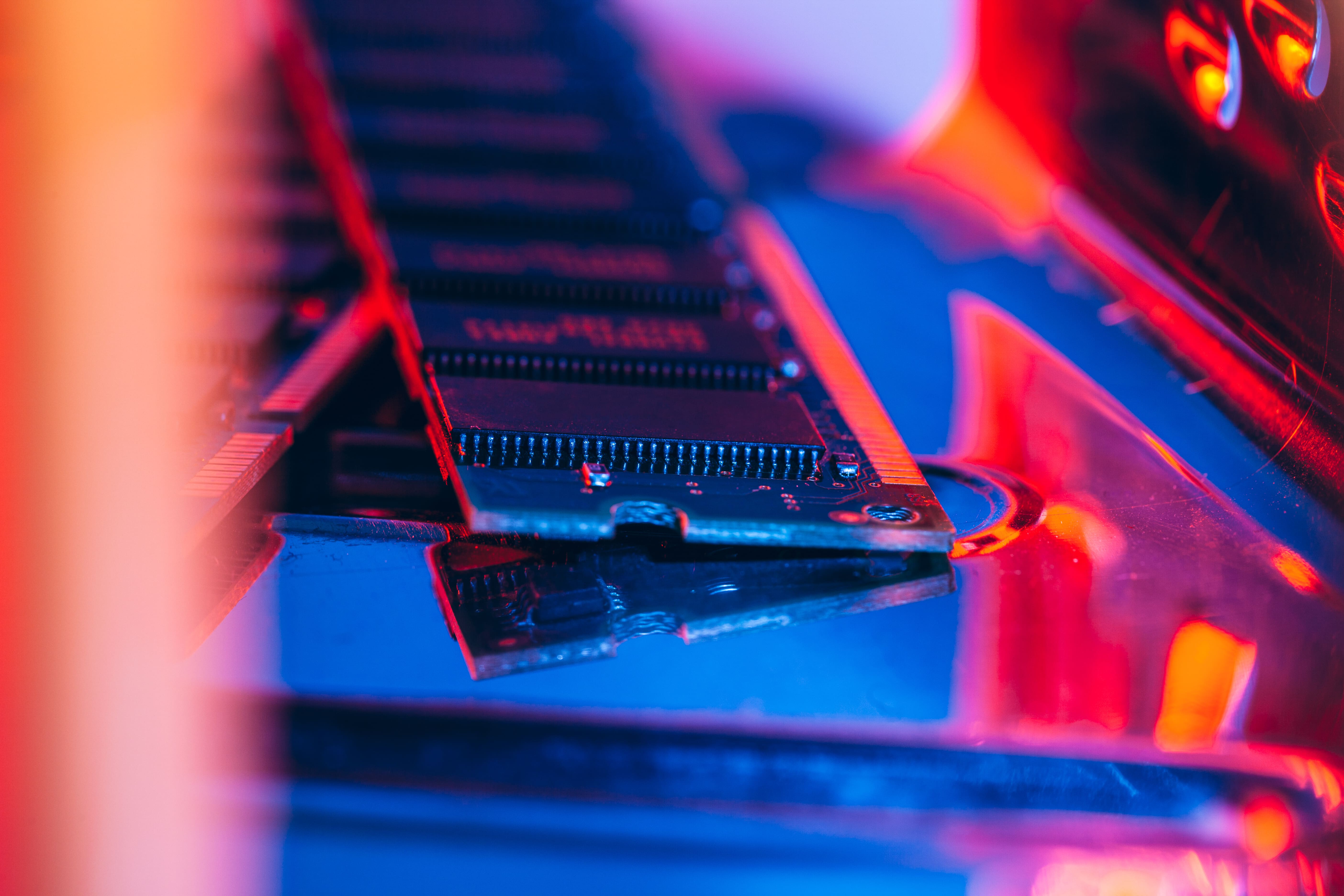
In today’s data-driven world, computer memory plays a crucial role in determining system performance. Traditional RAM (Random Access Memory) has served us well, but for certain tasks, it can be a bottleneck. Enter Intel® Optane™ technology, a revolutionary memory solution that bridges the gap between RAM and storage, offering a unique blend of speed and capacity. Let’s dives into the world of Intel® memory devices, exploring the power of Intel® Optane™ and how it can supercharge your computing experience.
Understanding the Memory Landscape:
• RAM (Random Access Memory): The workhorse of computer memory, RAM stores data for immediate access by the processor. It’s incredibly fast but has limited capacity and loses data when the system powers down.
• Storage Drives (HDD/SSD): Storage drives, like Hard Disk Drives (HDD) and Solid State Drives (SSD), offer much larger capacities to store data permanently. However, they are significantly slower than RAM.
Introducing Intel® Optane™ Technology:
Intel® Optane™ technology disrupts the traditional memory hierarchy by offering a new category of memory – persistent memory. Think of it as a bridge between RAM and storage. It is faster than SSDs but slower than RAM. However, unlike RAM, it retains data even when the system is powered off, offering a significant advantage.
Types of Intel® Optane™ Memory Solutions:
Intel® offers two primary types of solutions:
• Intel® Optane™ Memory: Designed for desktops and laptops, these modules work in conjunction with traditional RAM to accelerate system responsiveness and application loading times.
• Intel® Optane™ Persistent Memory (PMem): Primarily targeted towards data centers and workstations, PMem modules offer a significant performance boost for data-intensive workloads and applications requiring persistent storage.
Benefits of Intel® Optane™ Technology:
• Faster System Performance: It significantly reduces application loading times and improves overall system responsiveness, leading to a smoother and more efficient workflow.
• Enhanced Data Persistence: Unlike RAM, it retains data even after power outages, minimizing data loss risk and ensuring faster boot times.
• Improved Storage Efficiency: By caching frequently accessed data, Optane™ technology reduces the workload on slower storage drives, leading to faster data access.
• Ideal for Specific Workloads: It is particularly beneficial for data-intensive applications like video editing, engineering simulations, and large database workloads.
RAM vs. Optane™: Choosing the Right Solution
RAM remains essential for providing the high-speed access needed by the processor. However, if your system experiences frequent slowdowns, it can be a valuable addition. Consider these factors when making your choice:
• System Usage: For basic computing tasks, RAM is often sufficient. Optane™ proves its worth for data-intensive workloads and professionals requiring faster response times.
• Budget: It currently carries a higher price tag compared to traditional RAM. Evaluate your needs and budget to ensure Optane™ offers a worthwhile performance boost.
The Semifly Marketplace offers a variety of Intel® Optane™ Persistent Memory (PMem) modules, suitable for data center and workstation applications. These modules come in various capacities (128GB, 256GB, and 512GB) to cater to different performance demands.
Understanding the differences between RAM and Optane™ enables you to choose the right solution for your computing needs. Whether you’re a casual user or a data-hungry professional, Intel® memory devices offer a pathway to a faster, more responsive, and efficient computing experience.

More Similar Insights and Thought leadership
No Similar Insights Found
Subscribe today to receive more valuable knowledge directly into your inbox
We are writing frequenly. Don’t miss that.
Subscribe to get updates

Unregistered User
It seems you are not registered on this platform. Sign up in order to submit a comment.
Sign up now