FEATURED STORY OF THE WEEK
Nvidia: The Vanguard of GPU Innovation and AI Computing

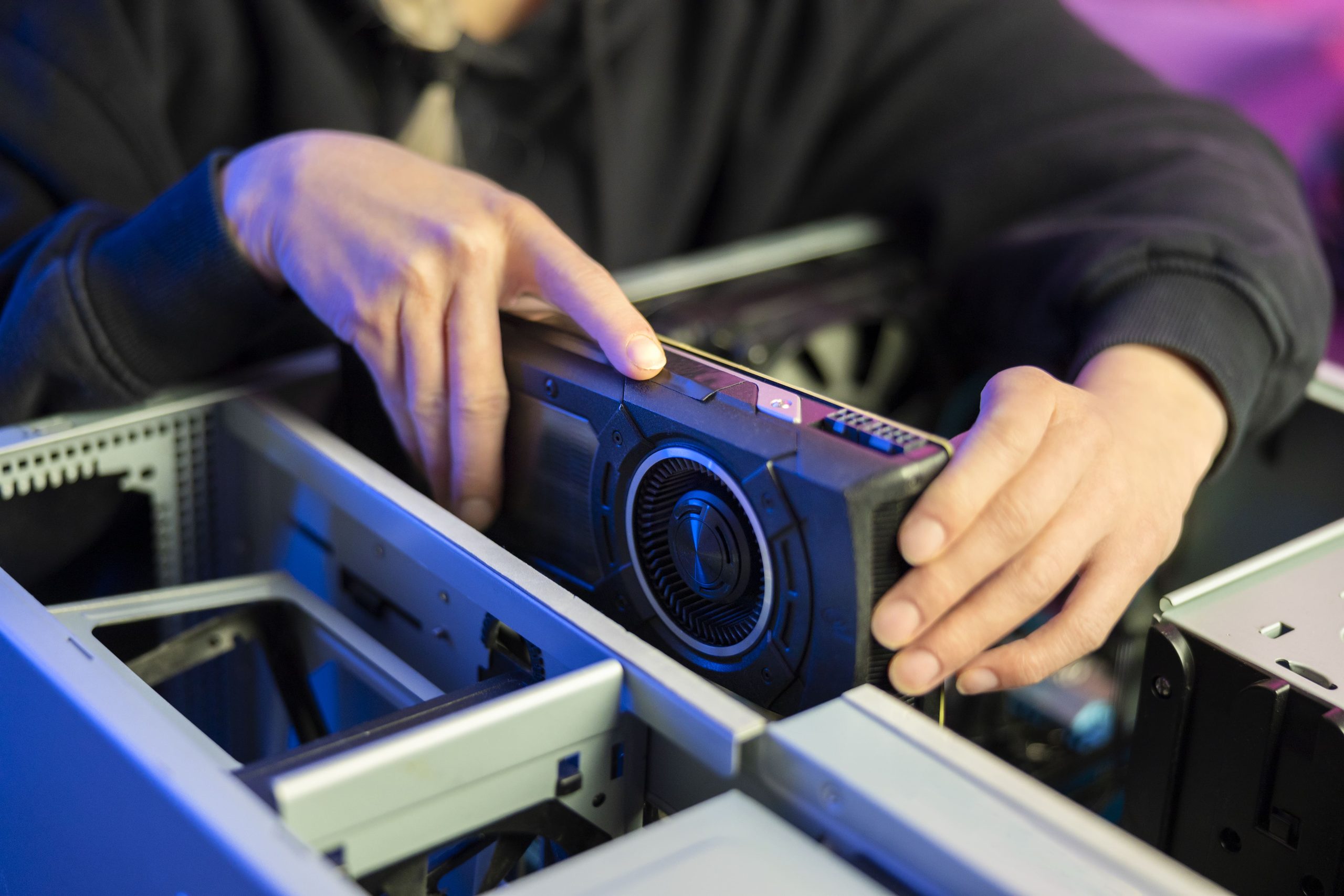
Few companies have been more influential in the rapidly changing world of technology than Nvidia. It is a company known for creating the best graphics processing units, which shows in gaming, artificial intelligence, and high-performance computing. But what features set its products apart? Why do they perform so much better than competing products?
Nvidia’s Main Products
The essential products of Nvidia are graphical processing units (GPUs). A GPU is an electronic circuit mainly functional in rendering images to show gadgets. These GPUs also accelerate computing applications, not just in gaming but in data science, AI, and high-performance computing. More importantly, Nvidia designs and supplies APIs suitable for data science and high-performance computing. Additionally, the company also designs system-on-a-chip (SoC) solutions for both the mobile computing and automotive markets, once again indicating a vast array of technological capabilities.
Among its flagships in this category is the H100 GPU. This ultra-high-performance GPU is architected to handle the most demanding AI and machine learning workloads. It offers a significant performance level, leading to advances in natural language processing, autonomous driving, and complex scientific research.
How Nvidia outshines competitors
In the world of semiconductor manufacturers, Nvidia consistently remains a head above the rest. Here’s how it stacks up against the other big chip makers:
• Nvidia H100 and B200: celebrated for their superior AI computing power combined with energy efficiency; these GPUs represent benchmarks in the industry.
• Advanced Micro Devices (AMD) MI300: AMD’s products have strong performances, but the Nvidia GPUs are ahead in benchmarking and are, in general, more efficient.
• Intel Gaudi 3: Built for AI from scratch, though its ecosystem has matured a lot and software support is vital, it is an excellent differentiator.
• Qualcomm Cloud AI 100: Targeted for cloud AI, but with being more general-purpose, with adoption across consumer and professional portfolios, its reach is more far-fledged.
The Role of Nvidia H100
The Nvidia H100 GPU is the core of their product line. Designed for AI-related heavy lifting and high-performance computing tasks, the H100 has found its purpose in deep learning applications where vast neural networks do most of the work to advance significantly in their respective fields. Its architecture allows fast computation speed and efficiency, so it is usually the preferred choice of tech giants and research institutions.
The H100 plays a critical role in many use cases, such as:
• Deep Learning and AI: Enabling complex training and inferencing of neural networks to spur innovation with natural language processing and computer vision.
• Scientific Research: Providing researchers with a high-speed simulation and data analysis platform, leading to new breakthroughs in genomics, climate modeling, and physics.
• Autonomous Vehicles: Powering the AI systems in self-driving cars, enhancing their ability to perceive and respond to their environment in real-time.
Nvidia’s Largest Customers
The wide range of products serves a wide area of end users, some of the most giant corporations within the technology and automotive fields. Some of the customers include the following:
• Amazon Web Services (AWS): The services from AWS operate with Nvidia GPUs to support cloud computing services with High performance for their users.
• Google Cloud uses the technology from Nvidia to power and improve their AI and machine learning services using powerful tools intended for developers and enterprises.
• Microsoft Azure sources in using Nvidia GPUs so they can effectively deliver advanced computing solutions that will enable businesses to scale their operations.
• Tesla utilizes Nvidia SoCs in developing advanced driver-assistance systems (ADAS) and autonomous driving technologies for further advancements in automotive innovations.
These partnerships pinpoint its crucial role in technological advancement across different sectors.
The Future of Nvidia
Unceasing in its search for innovation and excellence, this sets it apart from its competitors in the technology world. With a relentless focus on artificial intelligence, high-performance computing, and state-of-the-art graphics processing, the company somehow manages to break free from the shackles of limitation. As the industry shifts more and more into AI and advanced computing solutions, the Semifly Marketplace via Nvidia H100 is poised to take a leading role in shaping that future.
Nvidia’s footprint in the tech industry is considerable since its innovations drive improvements across dozens of other sectors. With the growing demand for higher-performance computing solutions, Nvidia is poised to be constantly on the front lines, leading this revolutionary trend in the field of technology.


More Similar Insights and Thought leadership
No Similar Insights Found
Subscribe today to receive more valuable knowledge directly into your inbox
We are writing frequenly. Don’t miss that.
Subscribe to get updates

Unregistered User
It seems you are not registered on this platform. Sign up in order to submit a comment.
Sign up now