
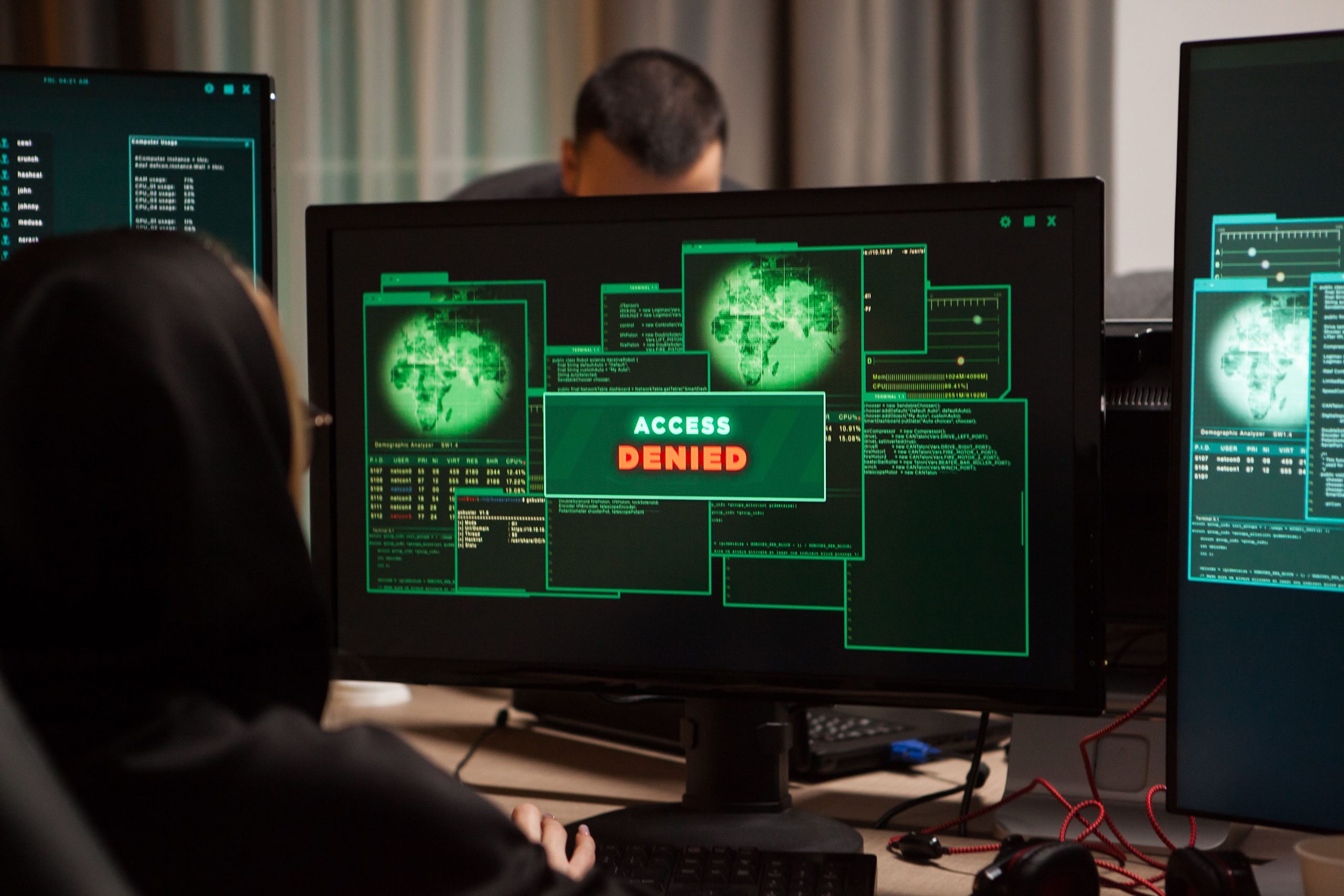
When a breach happens — and for many organizations it is a matter of when, not if — the speed and quality of the response determines the damage. A clear, rehearsed blueprint turns chaos into controlled action.
Key Takeaways
- Response speed determines breach impact.
- Decisions should be made before, not during, an incident.
- Communication and legal steps are part of the plan.
- Every incident should feed back into stronger defenses.
01The phases of response
Effective response follows a sequence: detect and contain the incident, eradicate the threat, recover operations, and learn from what happened. Each phase has decisions best made before the pressure of a live incident.
02What a blueprint includes
- Roles and contacts — who does what, including legal and comms.
- Containment steps — isolating affected systems fast.
- Communication plan — notifying stakeholders and regulators.
- Recovery and review — restoring safely and improving.
03Be ready before it happens
A response plan is only valuable if it is tested. Semifly helps organizations build and rehearse incident response so they act with confidence when it counts.
← Back to Insights