“Hyperscaler” gets used loosely; the precise meaning matters. These are the organizations that design their own data centers, networks, and increasingly their own silicon, deploying compute at a scale where their procurement decisions move global supply chains. Understanding who they are and how they operate is practical intelligence for any enterprise: they are simultaneously your suppliers, your benchmark, and a preview of infrastructure practices that trickle down a few years later.
Key Takeaways
- The tier-one cloud trio—AWS, Microsoft Azure, Google Cloud—sells general-purpose scale; the consumer giants (Meta, Apple) build comparable scale for themselves.
- Chinese hyperscalers (Alibaba, Tencent, Huawei, Baidu) mirror the pattern with regional dominance.
- AI rewrote the league table economics: GPU fleets and specialist clouds (CoreWeave-class) now sit alongside the incumbents.
- The transferable lessons are operational—standardization, automation, and designing for failure as routine.
01The roster, in tiers
The cloud trio: Amazon Web Services, Microsoft Azure, and Google Cloud—global region footprints, custom silicon (Graviton, Cobalt, TPU), and service catalogs that function as the default IT department for much of the economy.
The consumer-scale builders: Meta and Apple operate hyperscale estates for their own platforms—Meta's AI clusters alone rival national research capacity; Apple blends owned facilities with negotiated cloud capacity.
The China tier: Alibaba Cloud, Tencent Cloud, Huawei Cloud, and Baidu AI Cloud dominate their home market and contest Asia-Pacific, with architectures and silicon programs that parallel their Western counterparts.
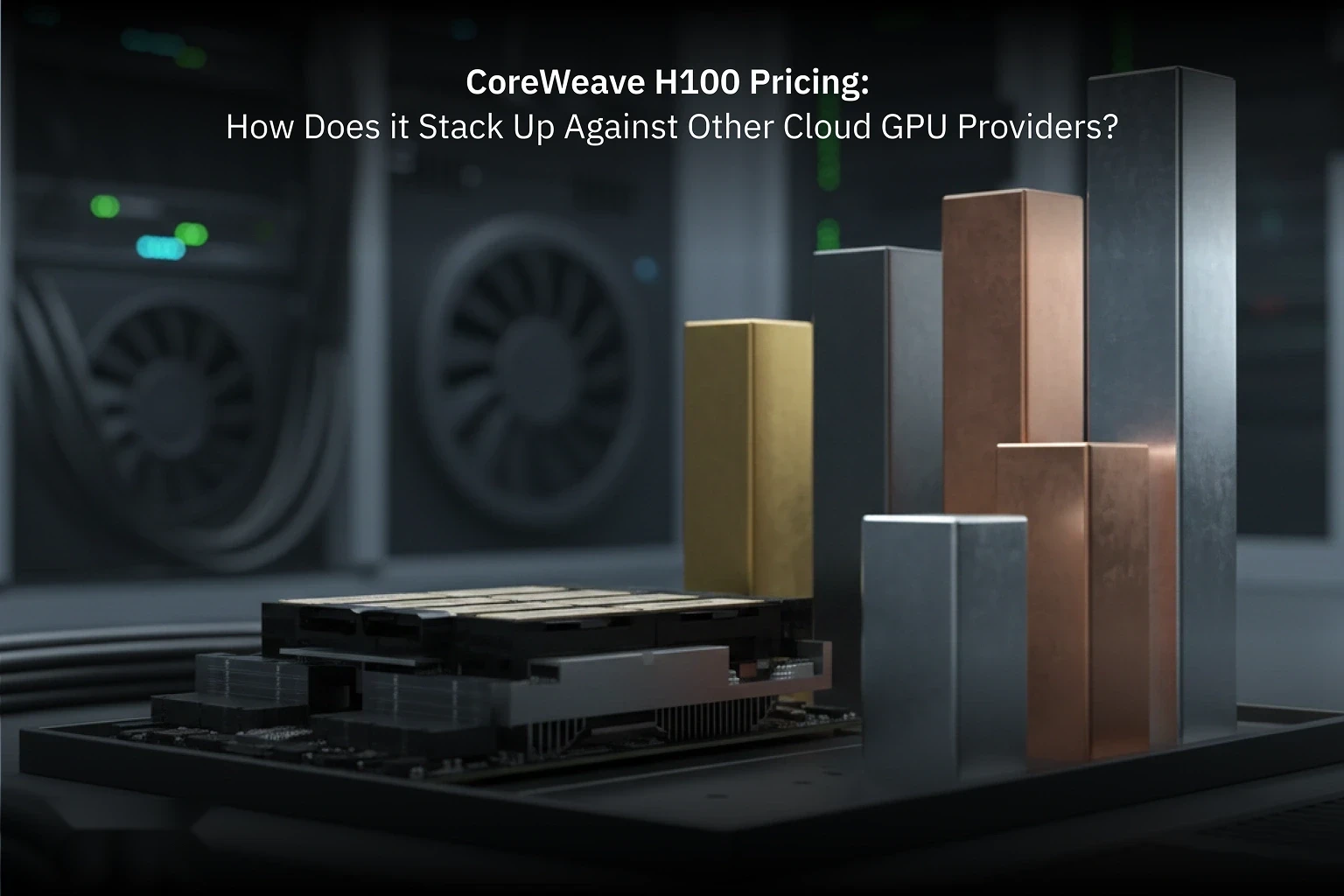
The wildcard tier: Oracle Cloud built late-mover credibility on aggressive GPU infrastructure, while AI-specialist clouds—CoreWeave most prominently—earned hyperscale-class fleets serving one workload extremely well.
02How their scale changes the game
- Silicon sovereignty: custom CPUs, AI accelerators, and NICs tuned to their workloads—and increasingly available for rent, reshaping price-performance for everyone.
- Facility innovation: liquid cooling at fleet scale, renewable PPAs that finance whole wind farms, PUE figures legacy rooms cannot approach.
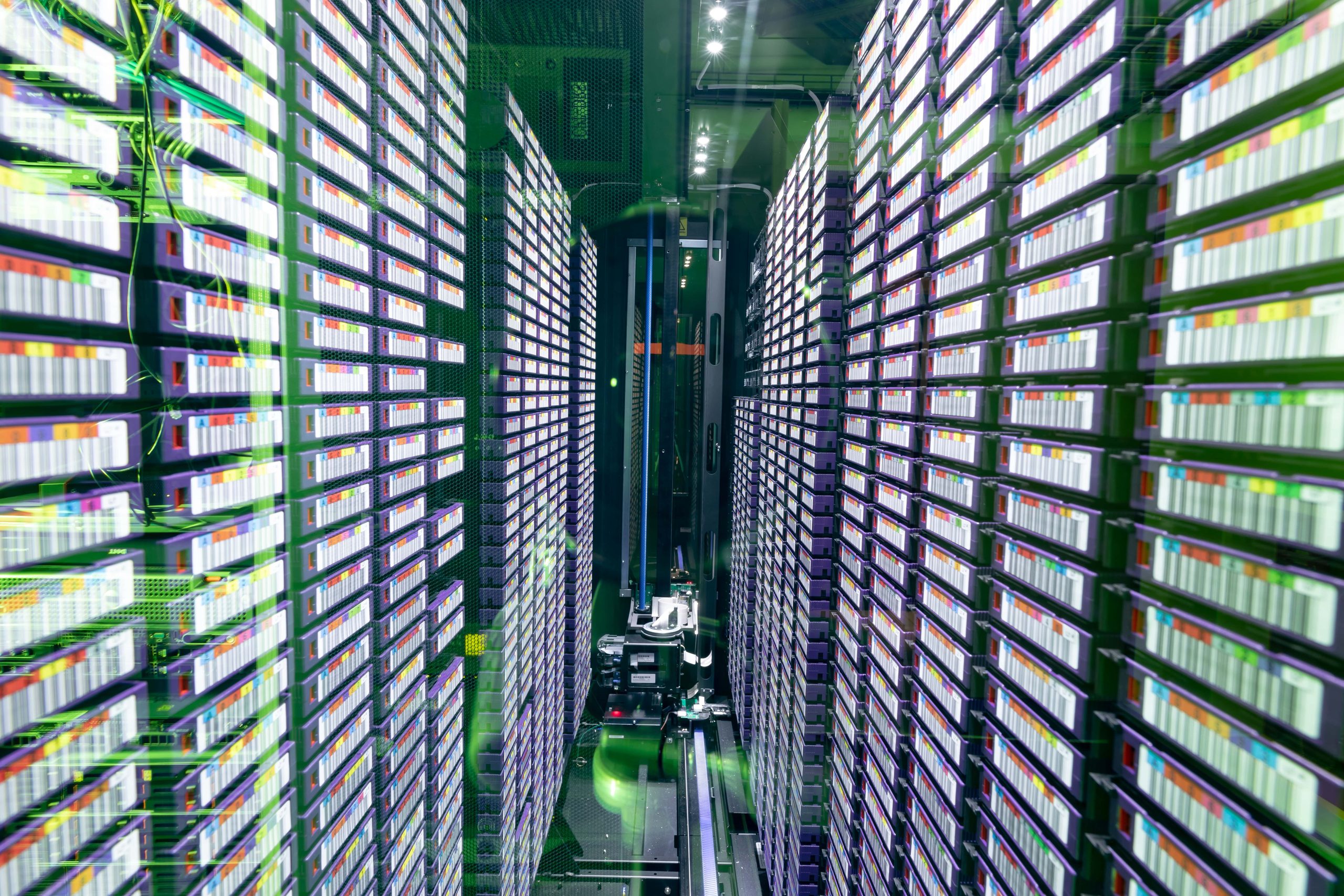
- Failure as design input: at million-server scale, hardware fails constantly—so software assumes it, and reliability becomes an emergent property of automation.
- Supply-chain gravity: GPU allocations, transformer lead times, and even regional power planning bend around their commitments.
03What enterprises should take from them
Not the scale—the discipline. Standardize relentlessly (fewer configurations, deeply understood); automate operations until humans handle exceptions only; design for component failure as a Tuesday, not a crisis; and measure unit economics—cost per workload, per token, per transaction—the way hyperscalers price every watt. Enterprises borrow these practices through their architecture choices and their partners; the gap between hyperscaler operations and typical enterprise operations is exactly the market where managed infrastructure services live.
04The strategic read
Track the hyperscalers as you would track weather systems: their capex telegraphs where compute economics go next, their silicon roadmaps reshape what “standard” means, and their regional buildouts decide where low-latency capacity exists. You do not compete with them—you architect in their wake, and the organizations that read the wake early consistently buy better.
Ready to put this into practice?
Talk to the Semifly team about your infrastructure, security, and compliance roadmap.
Contact Us