
FEATURED STORY OF THE WEEK
Top GPUs for high-performance computing in business

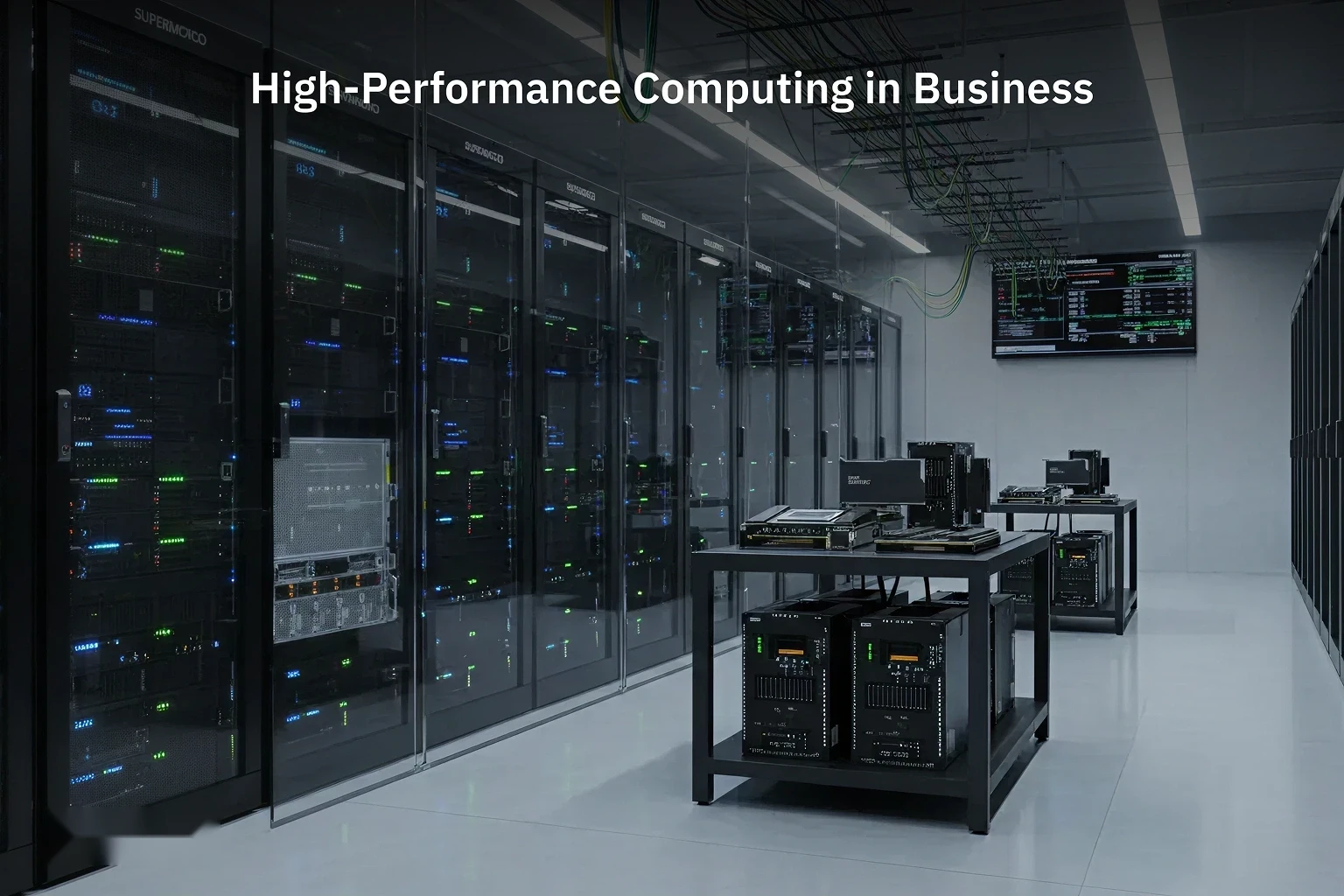
High-performance computing is not only advantageous but also essential for businesses in today’s fast-paced digital environment. Choosing the best high-performance GPU solutions may help CIOs and IT managers innovate, increase operational effectiveness, and change data-driven decision-making.
The need for business-focused GPU servers that can manage enterprise IT workloads has increased as a result of organizations producing enormous volumes of data every day.
According to Allied Market Research, the GPU market size was valued at $19.75 billion in 2019 and is projected to reach $200.85 billion by 2027, growing at a compound annual growth rate (CAGR) of 33.6% from 2020 to 2027. This blog explores the top GPUs for high-performance computing in business.
What Categorizes as High Compute?
High computing involves workloads that go beyond traditional data processing.
- AI and Machine Learning: Training and inference for deep learning models like GPT or image recognition algorithms.
- Big Data Analytics: Real-time processing of vast data sets for actionable insights.
- Scientific Research: Computational simulations in fields like genomics, climate modelling, or drug discovery.
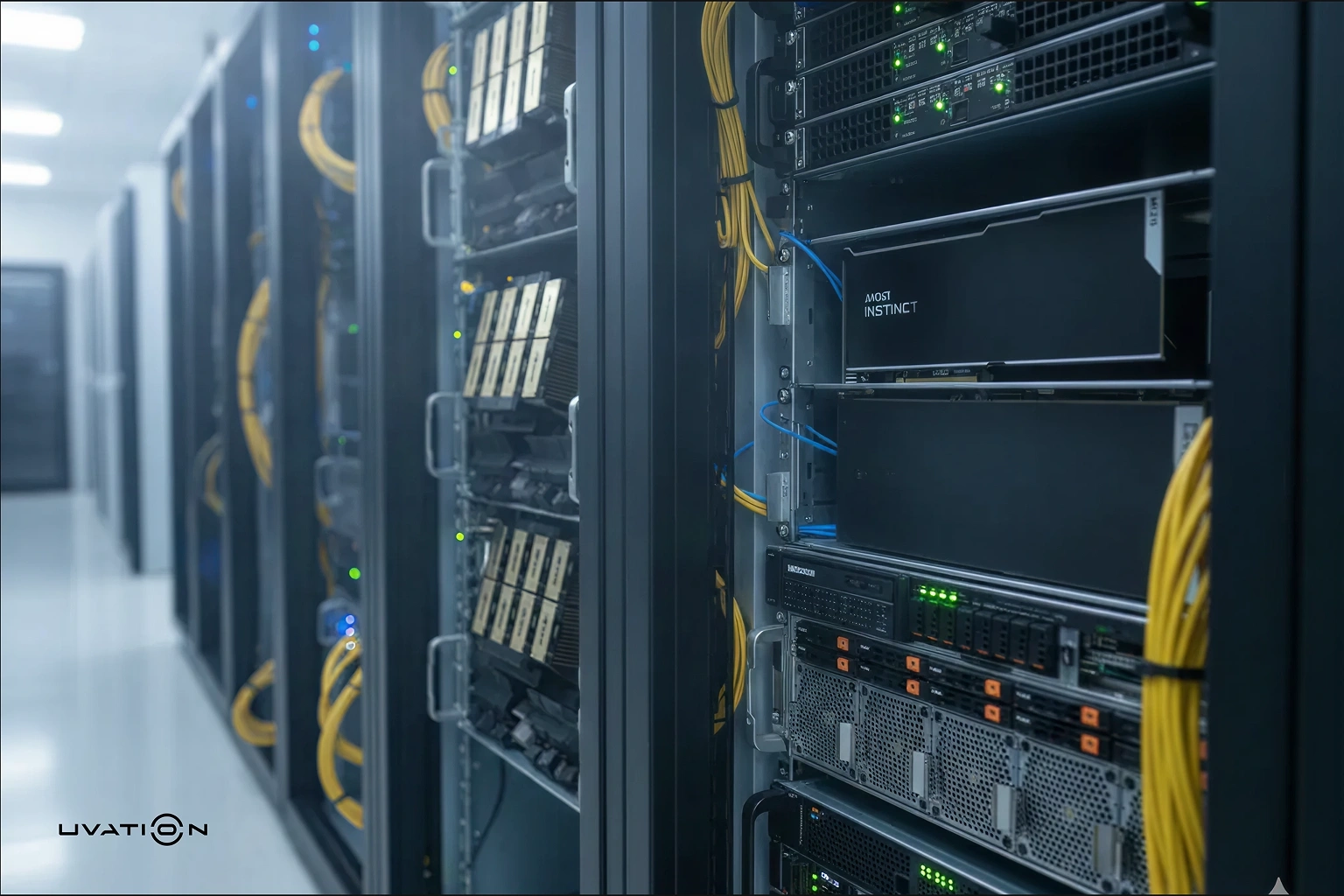
Current Trends in High Computing
According to the TechSci Research report, “High-Performance Computing Market – Global Industry Size, Share, Trends, Opportunity, and Forecast 2019-2029” ” the global High-Performance Computing Market was valued at USD 55.71 billion in 2023 and is anticipated to project robust growth in the forecast period with a CAGR of 10.94% through 2029.
1. Generative AI Boom: Generative models like GPT-4 and DALL-E require GPUs capable of handling trillions of operations per second. The global AI market is projected to grow at a CAGR of 38.1% through 2030, emphasizing the need for GPUs to meet demand.
2. Adoption of Multi-Cloud Solutions: A Gartner study predicts that by 2026, 85% of enterprises will adopt a cloud-first strategy, balancing the scalability of cloud solutions with on-premise deployments.
3. Exascale Computing: 2024 marks a pivotal year in the race toward exascale computing, with systems like Aurora and El Capitan poised to revolutionize simulations in climate modeling, drug discovery, and materials science by enabling a billion calculations per second.
4. Edge Computing: The rise of IoT drives demand for HPC at the network edge, enabling real-time analytics and low-latency processing for applications like autonomous vehicles and smart cities.
5. Sustainable HPC: The focus on green computing grows, with advances in energy-efficient architectures, cooling technologies, and renewable energy integration reducing HPC’s environmental footprint.
6. Heterogeneous Architectures: HPC systems increasingly combine CPUs with GPUs, FPGAs, and TPUs, boosting performance for data-intensive and parallel workloads.
7. Containerization and Orchestration: Technologies like Docker and Kubernetes simplify deployment, scalability, and reproducibility, making HPC workflows more efficient.

What Necessitates High Computing in the Current Industry Trends?
Here’s why high computing is essential in the context of the trends outlined:
1. Complexity of Modern Problems
Industries like healthcare, finance, and climate science face challenges that require massive computational power to analyze, simulate, and resolve. Tasks such as genomics research, climate modeling, and real-time financial analytics demand trillions of calculations per second, far beyond the capabilities of traditional computing systems.
- Exascale computing, highlighted in the trends, is a response to this complexity, offering unprecedented processing power to enable breakthroughs in these fields.
2. Growing Data Volumes
The explosion of data generated by IoT devices, social media, and enterprise systems necessitates HPC solutions to process and analyze information in real time.
- Edge computing meets the need for localized, low-latency analysis, enabling applications like autonomous vehicles and smart cities to function efficiently.
3. AI and Machine Learning Evolution
AI models are becoming larger and more sophisticated, requiring HPC systems for training and deployment. Complex neural networks like GPT and BERT involve billions of parameters and demand extensive resources.
- The AI integration trend illustrates how HPC infrastructures are tailored to accelerate AI workloads, pushing the boundaries of what machines can learn and achieve.
4. Precision and Speed in Scientific Research
From simulating protein structures in drug discovery to modeling the impact of climate change, scientific advancements depend on precise and speedy computations. HPC systems are critical for processing immense datasets and conducting simulations with high accuracy.
- Trends like heterogeneous architectures and quantum computing synergy address these needs by providing faster, more flexible solutions.
5. Scalability and Agility in Business
Modern businesses require systems that adapt to fluctuating demands. HPC solutions like cloud-based architectures enable enterprises to scale resources up or down as needed without overinvesting in infrastructure.
- The cloud-based HPC trend underscores the growing importance of agility in deploying high computing for real-world business applications.
6. Sustainability and Efficiency
With rising concerns about energy consumption and environmental impact, high computing must also prioritize sustainability. Businesses and research institutions are turning to energy-efficient HPC solutions to maintain computational power while reducing their carbon footprint.
- The sustainable HPC trend reflects the drive to balance performance with eco-conscious practices.
7. Competitive Advantage in Emerging Technologies
The demand for robust computing infrastructure grows as industries adopt emerging technologies like AI, IoT, and blockchain. Companies leveraging HPC are better positioned to innovate, optimize operations, and deliver solutions faster than their competitors.
- Containerization and orchestration, as defined in the trends, ensure businesses can deploy and manage HPC workloads efficiently, fostering innovation at scale.
How Are Organizations Approaching Problems of High Compute Requirements?
1. Embracing Hybrid and Multi-Cloud Architectures
Organizations are increasingly leveraging hybrid and multi-cloud environments to optimize their compute power. This approach combines the flexibility of public clouds with the control and security of on-premises infrastructure.
- Example: General Electric uses a hybrid model to process industrial IoT data from its manufacturing facilities. High compute tasks, such as predictive maintenance, are performed on cloud platforms like AWS, while sensitive data remains on-premise.
2. Investing in GPU-Accelerated Systems
Companies are turning to GPU-accelerated systems to handle parallel processing and data-heavy workloads efficiently. GPUs offer a significant performance boost for AI training, simulations, and big data analysis.
- Example: Netflix utilizes NVIDIA GPUs to optimize its recommendation engine, which processes petabytes of viewing data daily to enhance customer experiences.
3. Optimizing Workloads with Orchestration Tools
Technologies like Kubernetes and Docker enable organizations to containerize and orchestrate HPC workloads across clusters. These tools help in resource allocation and scalability.
- Example: PayPal uses Kubernetes for fraud detection algorithms, ensuring efficient utilization of compute resources during peak transaction periods.
4. Building Dedicated HPC Centers
Organizations with high and consistent computational needs are investing in dedicated HPC centers to centralize and optimize their compute infrastructure.
- Example: ExxonMobil has built an HPC center to model geological data for oil exploration, improving decision-making efficiency.
What Are the Range of Options for Businesses?
Option 1: On-Premise Servers
-Advantages: Full control over infrastructure, security, and customization.
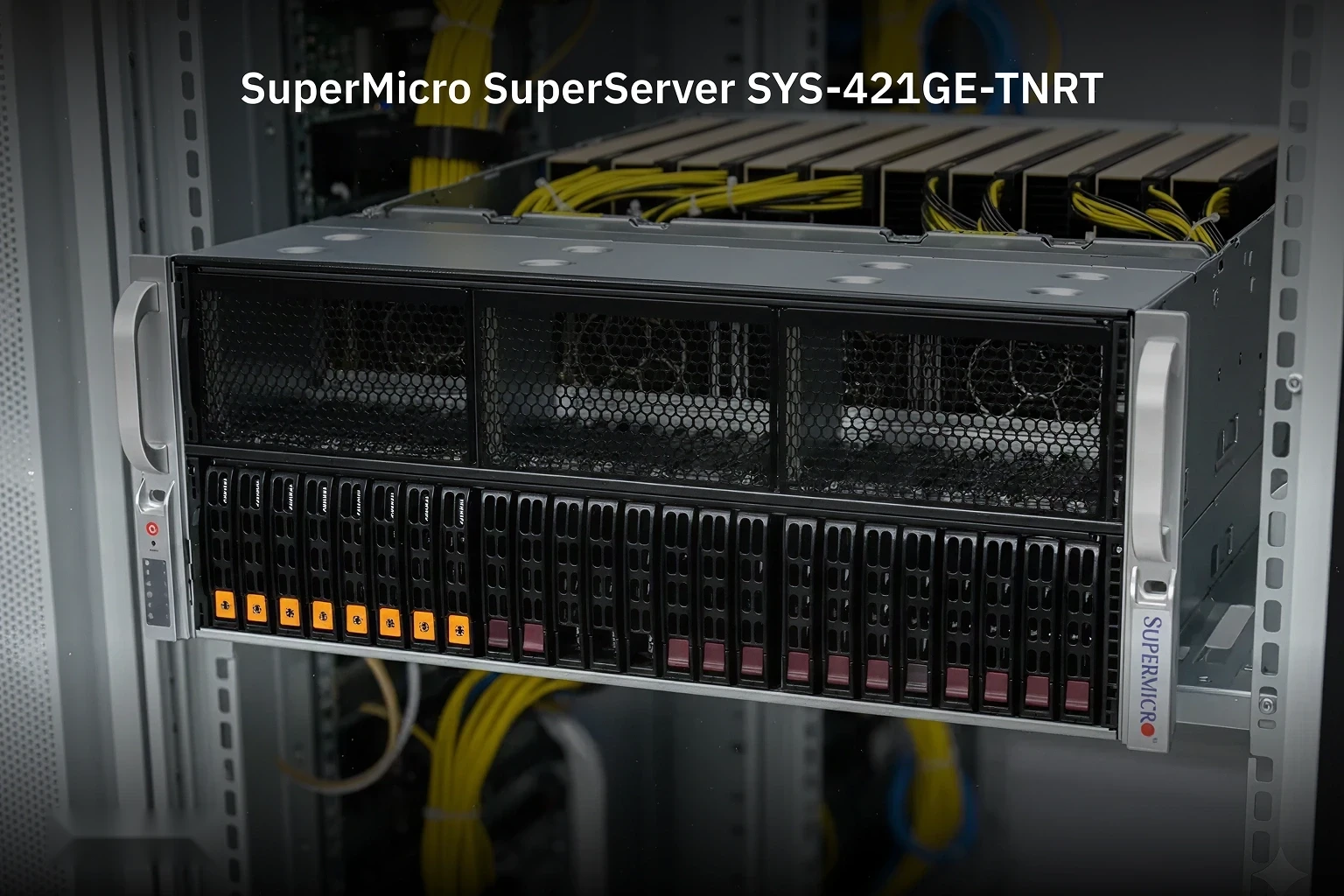
-Example Solution: GPU SuperServer SYS-421GE-TNRT for large-scale AI workloads.
-Ideal For: Enterprises with consistent, high computational needs.
Option 2: Cloud-Based GPU Instances
-Advantages: Scalability, cost-effectiveness, and instant provisioning.
-Example Solution: AWS EC2 P4d Instances for AI training on-demand.
-Ideal For: Startups or businesses with fluctuating workloads.
Option 3: Hybrid Deployments
-Advantages: Combines the best of both worlds with flexibility and cost control.
-Example Solution: NVIDIA DGX systems for on-premise AI combined with Google Cloud TPUs.
-Ideal For: Organizations balancing heavy on-prem workloads with scalable cloud-based operations.
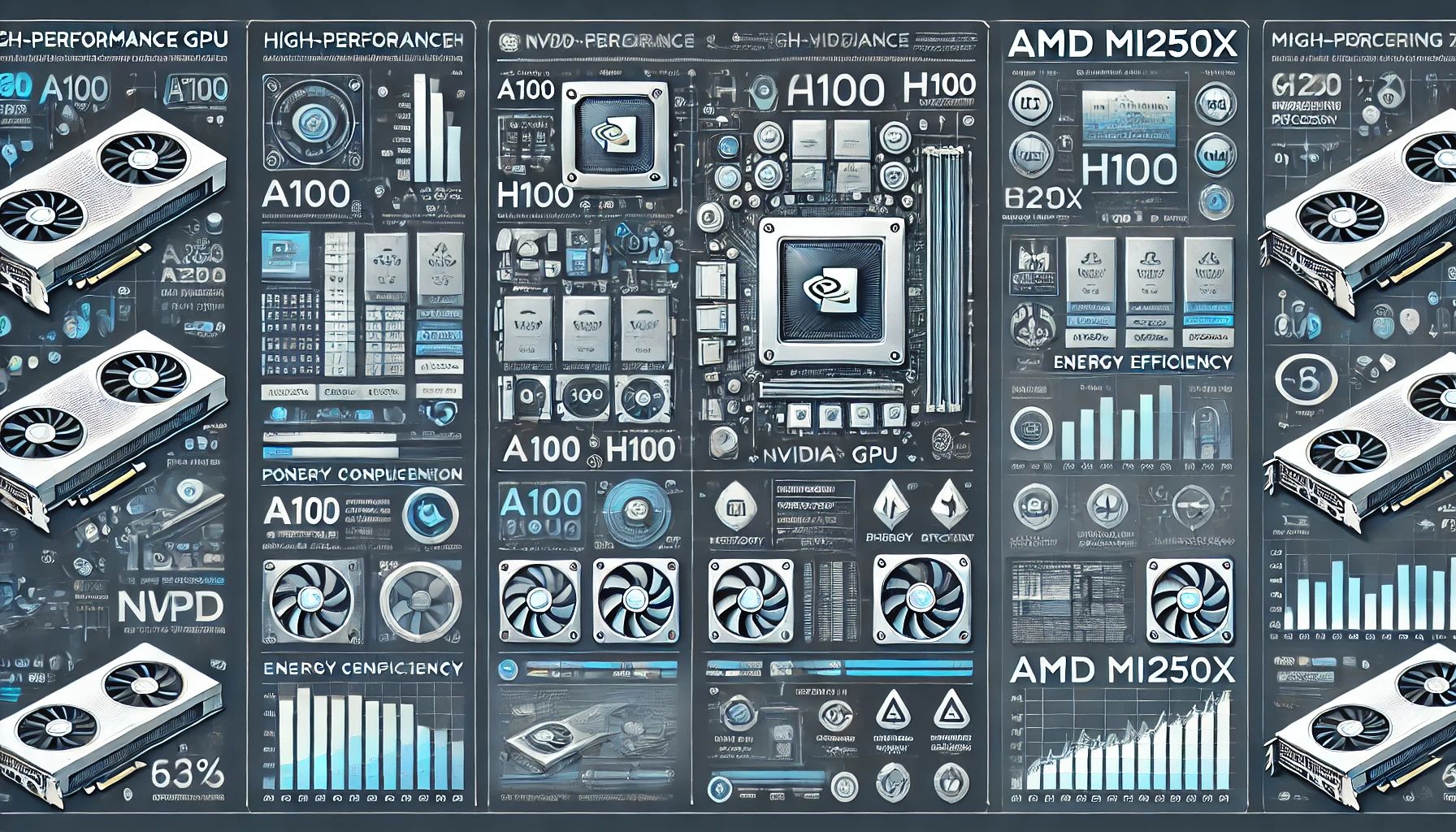
Why This Matters for IT Managers and CIOs
For IT managers and CIOs, adopting scalable GPUs for IT managers isn’t about chasing- it’s about aligning your infrastructure with business objectives. A powerful GPU can:
- Reduce data processing times, improving decision-making speed.
- Enhance scalability for growing workloads.
- Lower operational costs by maximizing efficiency.
Let’s dive into the GPUs transforming high-performance computing in business and how they can meet your unique needs.
Suggested Read: A Comprehensive Guide to Buy NVIDIA DGX H100: The NVIDIA Edition
Understanding High-Performance Computing in Business Requirements and How GPUs Meet Them
High-performance computing (HPC) has evolved from being a niche tool for scientific research to a critical enabler of modern business strategies. Whether it’s empowering real-time decision-making, optimizing operations, or driving innovation through AI, HPC allows businesses to unlock unparalleled potential. Below, we dive into the essential requirements of HPC in business and explore how GPUs uniquely address them.
1. Scalability for Growing Workloads
Requirement:
In the dynamic world of business, workloads are rarely static. Data volume, complexity, and the need for advanced analytics grow exponentially, necessitating systems that can scale to meet these demands without disrupting operations.
How Top GPUs for high-performance computing in business Meet This Need:
Scalable GPUs for IT managers like the NVIDIA A100 and the GPU SuperServer SYS-421GE-TNRT are designed to evolve with your business. Their modular architectures allow enterprises to scale operations seamlessly without compromising performance. By enabling businesses to integrate multiple GPUs seamlessly, these systems grow alongside organizational needs. For example, a financial services firm might start with a few GPUs to handle risk assessments and later scale up to accommodate real-time fraud detection across global operations.
- NVIDIA’s A100 Tensor Core GPUs, with multi-instance GPU (MIG) technology, allow a single GPU to support multiple smaller tasks, enhancing flexibility and scalability.
- The SYS-421GE-TNRT server architecture is built for high-density GPU configurations, ensuring businesses can add processing power without overhauling their infrastructure.
Suggested Read: High-Performance AI Servers: Accelerate Business Development with Semifly Marketplace
2. Speed and Parallel Processing
Requirement:
Time is critical in business. Real-time analytics, AI model training, and data processing must be completed quickly to maintain a competitive edge. Traditional CPUs struggle with tasks requiring massive parallel computations, creating bottlenecks for modern workloads.
How Top GPUs for high-performance computing in business Meet This Need:
For industries where real-time processing is critical, business-focused GPU servers excel in parallel computations, drastically reducing processing times for complex tasks. Here’s how specific NVIDIA H100 Tensor Core GPUs cater to speed and efficiency:
- NVIDIA H100 Tensor Core GPU 80GB SXM:
Built for high-density data centers, this GPU is ideal for large-scale AI and HPC applications. Its high-bandwidth memory enables rapid data throughput, crucial for tasks like predictive analytics and advanced modeling.
- NVIDIA H100 Tensor Core GPU 188GB NVL:
With a massive 188GB memory capacity, this GPU is designed for ultra-large AI models. It excels in handling extensive datasets, making it perfect for businesses dealing with enterprise-level workloads such as real-time fraud detection or video processing.
- NVIDIA H100 Tensor Core GPU 80GB PCIe:
Optimized for PCIe platforms, top GPUs for high-performance computing in business Meet This Need by providing a balance of speed and compatibility. Businesses integrating HPC solutions into existing IT ecosystems can leverage this GPU for efficient performance without significant infrastructure upgrades.
For example, a retail chain using the GPU SuperServer SYS-421GE-TNRT with these GPUs could process real-time inventory data and run complex customer behavior models simultaneously, delivering rapid insights for dynamic pricing and stocking strategies.
These GPUs’ ability to support thousands of simultaneous operations ensures accelerated workloads across diverse industries, from healthcare imaging to autonomous vehicle simulations. By incorporating them into scalable systems like the SYS-421GE-TNRT, businesses gain unmatched performance and flexibility.
Suggested Read: How to Choose the Right AI Server for Your Business Needs
3. Energy Efficiency
Requirement:
Sustainability is no longer optional—businesses must adopt energy-efficient practices to reduce operational costs and meet environmental targets. HPC systems, known for their high power consumption, need to strike a balance between performance and energy efficiency.
How Top GPUs for high-performance computing in business Meet This Need:
Modern GPUs, such as the AMD MI250X, are engineered for energy-efficient performance. These GPUs achieve higher processing power per watt, reducing energy consumption without compromising on computational capacity.
- For instance, a manufacturing firm leverages energy-efficient high-performance GPU solutions for product simulations, lowering its carbon footprint.
- The GPU SuperServer SYS-421GE-TNRT incorporates advanced cooling mechanisms, optimizing power consumption and ensuring hardware longevity. Businesses save on both energy costs and long-term maintenance, aligning with sustainability goals.
Suggested Read: NVIDIA H100: The GPU Powering the Next Wave of AI
4. Versatility Across Applications
Requirement:
HPC solutions must cater to a variety of business applications, from predictive analytics in marketing to real-time monitoring in manufacturing. A one-size-fits-all approach no longer works; organizations need versatile systems that adapt to diverse workloads.
How Top GPUs for high-performance computing in business Meet This Need:
The adaptability of GPUs for enterprise IT workloads ensures they cater to diverse needs, from AI training to scientific simulations. The GPU SuperServer SYS-421GE-TNRT, for example, is a powerhouse for both AI-driven insights and large-scale data visualization.
- In the healthcare sector, GPUs enable real-time medical imaging, ensuring faster diagnoses for patients.
- In the financial industry, GPUs process millions of transactions daily for fraud detection, ensuring accuracy and speed.
The flexible architecture of the SYS-421GE-TNRT makes it suitable for businesses that need to switch between compute-heavy tasks and real-time analytics seamlessly.
5. Reliability and Downtime Minimization
Requirement:
Downtime is costly for businesses, both in terms of revenue loss and reputational damage. Enterprise systems need to deliver high reliability, ensuring uninterrupted operations even under heavy loads.
How Top GPUs for high-performance computing in business Meet This Need:
The GPU SuperServer SYS-421GE-TNRT is engineered with enterprise-grade reliability. Its advanced cooling systems and robust hardware design ensure that it can handle intensive workloads without overheating or failure.
- Research institutions running climate simulations depend on consistent performance over weeks or months. This server’s reliability minimizes interruptions, ensuring projects are completed on time.
- Businesses with global operations, such as e-commerce platforms, rely on GPU-powered servers to maintain 24/7 uptime for customer-facing applications like chatbots and recommendation engines.
Additionally, GPUs like the NVIDIA H100 feature hardware-level error-correction mechanisms, ensuring data integrity during complex computations. With such capabilities, CIOs can trust these systems to deliver consistent performance under demanding conditions.
Suggested Read: Nvidia H100 vs A100: A Comparative Analysis
Top GPU Server Options on the Market
| Server | GPUs Available | Notable Features | Ideal Use Cases | Deployment Type | Why It’s the Top Choice |
|---|---|---|---|---|---|
| GPU SuperServer SYS-421GE-TNRT | Up to 10 GPUs | High-speed interconnects, scalability, parallel processing | AI model training, real-time analytics, scientific research | On-premise | Exceptional scalability for data-intensive tasks; ideal for high-performance computing solutions. |
| Supermicro AS-8125GS-TNHR | Up to 10 NVIDIA GPUs | Dual AMD EPYC CPUs, optimized airflow, 8U chassis for high-density GPU deployment | AI research, large-scale simulations, and deep learning | On-premise | Robust architecture tailored for demanding enterprise IT workloads. |
| NVIDIA DGX A100 | NVIDIA A100 | 80 GB memory, Multi-Instance GPU (MIG) for workload partitioning | AI training, big data analytics, generative AI | On-premise or cloud hybrid | Enterprise-grade solution for best GPUs for AI and analytics applications. |
| Dell PowerEdge XE8545 | NVIDIA A100 | AMD EPYC processors, scalable architecture | HPC workloads, deep learning, and financial modeling | On-premise | Optimized for combining CPU and GPU capabilities for AI-driven innovation. |
| Supermicro SYS-220HE-FTNR | NVIDIA H100 | Dual-socket Xeon processors, support for up to 6 GPUs, advanced cooling systems | Large-scale AI workloads, generative AI, NLP applications | On-premise | Robust architecture designed for advanced AI and high-speed data processing tasks. |
| AMD Instinct MI250 Server | AMD MI250X | 128 GB HBM2e memory, dual-GPU architecture, exceptional energy efficiency | Climate simulations, secure data processing, cloud workloads | Cloud or hybrid | Balances energy efficiency with top-tier performance for computationally intensive tasks. |
| NVIDIA DGX H100 | NVIDIA H100 | Hopper architecture, Transformer Engine for faster LLM training, high memory bandwidth | Generative AI, LLMs, customer-facing AI services | On-premise or cloud hybrid | Cutting-edge AI server optimized for next-gen AI applications and extensive model training. |
| HP Apollo 6500 Gen10 Plus | NVIDIA V100, A100 | Scalable design, support for up to 8 GPUs, enhanced interconnectivity | Data analytics, video rendering, deep learning | On-premise | Delivers high performance for enterprises requiring multi-GPU configurations for diverse HPC applications. |
| Lenovo ThinkSystem SR670 | NVIDIA A100, H100 | Modular design, support for multiple GPU configurations | AI inferencing, training, video rendering | On-premise | Adaptable solution for organizations transitioning to high-performance GPU computing. |
| AWS EC2 P4d Instances | NVIDIA A100, H100 | Cloud scalability, pay-as-you-go model, high-speed networking | On-demand AI training | Cloud | Ideal for businesses needing instant access to GPU resources without heavy infrastructure investments. |
Considerations When Choosing Top GPUs for High-Performance Computing in Business
Selecting the right GPU for your organization isn’t a one-size-fits-all approach. Here are key factors to consider:
Workload Type
Are you focusing on AI model training, big data analytics, or high-resolution rendering? Each workload demands specific features, such as memory capacity or processing speed. For example, the GPU SuperServer SYS-421GE-TNRT excels in parallel processing for large-scale simulations, making it a go-to choice for research labs.
Scalability
As your business grows, so will your computational needs. Look for GPUs like the NVIDIA A100 or GPU SuperServer SYS-421GE-TNRT, which offer scalability for future workloads.
Energy Efficiency
With sustainability becoming a priority, energy-efficient GPUs can reduce operational costs while supporting green initiatives. GPUs like the AMD MI250X strike a balance between performance and power consumption.
Budget vs. ROI
While high-end GPUs require a larger upfront investment, their long-term impact on efficiency and productivity can outweigh the initial costs. IT managers must evaluate the total cost of ownership (TCO) and potential return on investment (ROI).
Carbon-Friendly Solutions
With increasing awareness about environmental impact, organizations are prioritizing GPUs and systems that align with sustainability goals. Modern GPUs are being designed with energy-efficient architectures to reduce carbon footprints. NVIDIA’s RTX A6000 boasts an impressive performance-per-watt ratio, catering to industries that aim to balance computational power with eco-friendly practices.
Power Consumption
High-performance GPUs often come with significant power requirements, impacting energy bills and infrastructure needs. Managing power consumption is critical, especially for data centers handling continuous, high-intensity workloads. GPUs like the AMD Instinct MI200 are designed with power efficiency in mind, offering high computational throughput without overloading electrical systems.
Lead Times in Purchasing and Deploying Servers
In today’s fast-paced market, the time it takes to procure and deploy a GPU-powered server can significantly influence purchase decisions. Long lead times can delay project timelines and compromise competitive advantage. Supply chain disruptions, especially during global crises, have highlighted the importance of shorter lead times. Vendors offering pre-configured servers with integrated GPUs, such as Supermicro’s GPU SuperServer series, help businesses reduce deployment timelines.
Total Cost of Ownership (TCO)
Beyond upfront costs, businesses evaluate the long-term financial implications of GPU purchases, including energy consumption, maintenance, and system upgrades. A cost-effective GPU isn’t necessarily the cheapest. Models like the NVIDIA A100 may have a higher initial cost but offer substantial savings through efficiency and scalability over time.
Software Ecosystem and Compatibility
The success of a GPU often depends on the ecosystem it supports, including compatibility with AI frameworks, machine learning libraries, and HPC applications. Businesses prefer GPUs that integrate seamlessly with popular software environments such as TensorFlow, PyTorch, and Kubernetes for container orchestration.
Vendor Support and Service Agreements
The quality of vendor support plays a crucial role in GPU purchase decisions, particularly for enterprises that rely on minimal downtime and optimal performance. Companies like Semifly provide end-to-end support for GPU-powered solutions, offering guidance on configuration, deployment, and ongoing maintenance.
Global Trends and Innovations
Lastly, global trends such as edge computing, AI integration, and hybrid cloud adoption are influencing purchases of Top GPUs for high-performance computing in business. Organizations seek solutions that align with these trends to stay competitive. Investing in GPUs compatible with AI/ML and edge technologies ensures alignment with industry advancements and prepares organizations for emerging challenges.
Suggested Read: Cost of AI server: On-Prem, AI data centres, Hyperscalers
The Future of HPC and GPUs in Business
High-performance computing is evolving rapidly, driven by advancements in GPU technology. By 2030, the HPC market is expected to reach $64.6 billion, with GPUs playing a pivotal role ( Allied Market Research, 2023 ). For IT managers and CIOs, staying ahead in this race means adopting GPUs that can handle today’s workloads while scaling for tomorrow’s challenges.
Conclusion
Selecting the top GPUs for high-performance computing in business is more than a technical decision—it’s a strategic investment in your organization’s future. Servers like the GPU SuperServer SYS-421GE-TNRT and the Supermicro AS-8125GS-TNHR offer unparalleled benefits for IT managers and CIOs.
At Semifly, we specialize in providing high-performance computing solutions tailored to meet your business goals. Ready to revolutionize your IT infrastructure? Explore the best GPUs for AI and analytics and more on Semifly’s Marketplace.

More Similar Insights and Thought leadership
No Similar Insights Found
Subscribe today to receive more valuable knowledge directly into your inbox
We are writing frequenly. Don’t miss that.
Subscribe to get updates

Unregistered User
It seems you are not registered on this platform. Sign up in order to submit a comment.
Sign up now