• FEATURED STORY OF THE WEEK

      Understanding Enterprise SSD: Top Choices and Recommendations

      Written by :  
      semifly
      Semifly Team
      4 minute read
      July 22, 2024
      Category : Storage Devices
      Understanding Enterprise SSD: Top Choices and Recommendations
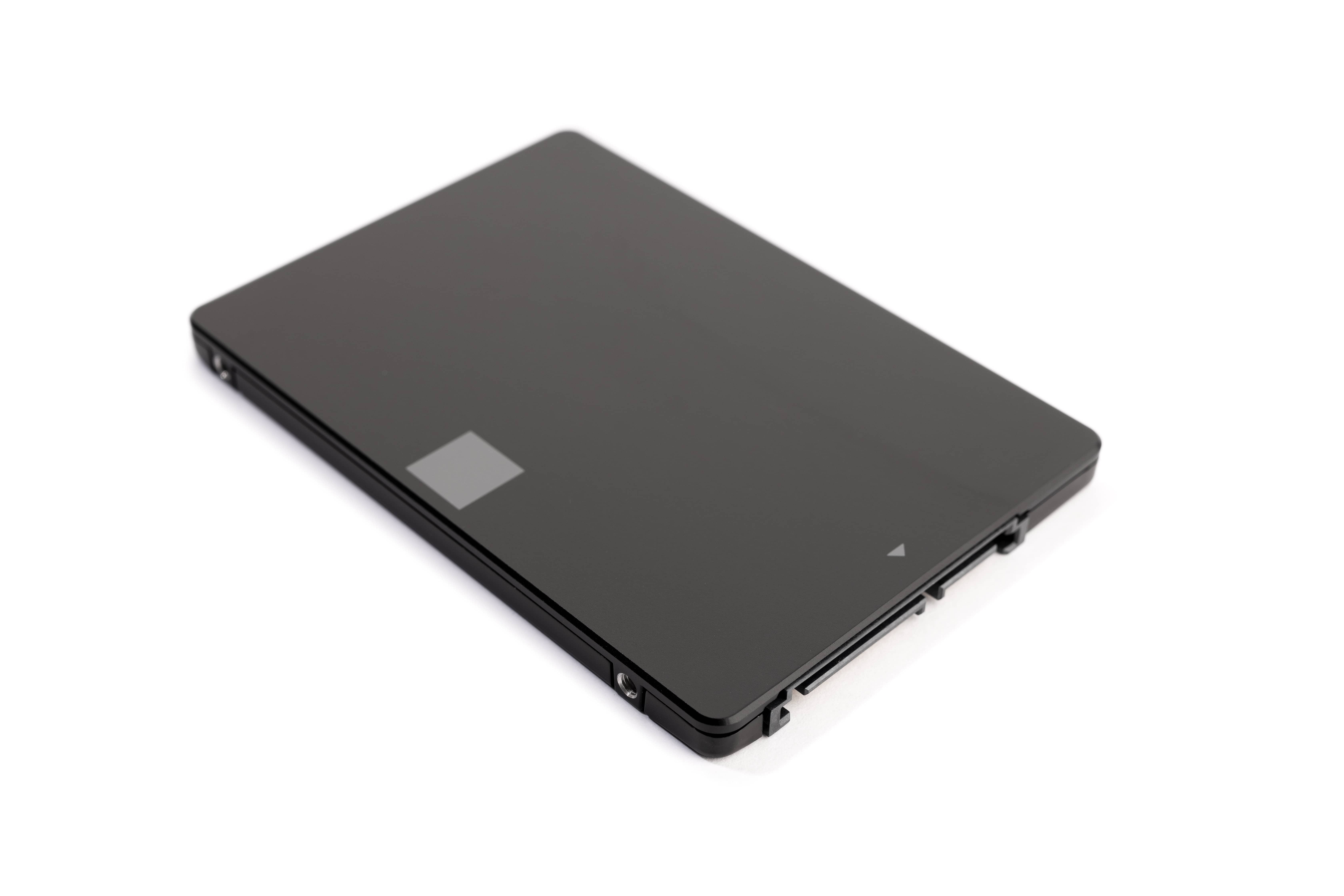
      In the fast-paced world of enterprise technology, data storage solutions play a crucial role in maintaining operational efficiency and ensuring business continuity. One of the most critical components in modern data storage is the Solid State Drive (SSD). This article delves into what an enterprise SSD is, the different types of SSDs available, and why Samsung remains a top choice in the market.


      What is an Enterprise SSD?


      An enterprise SSD is a high-performance storage device designed specifically for enterprise environments. Unlike consumer SSDs, enterprise SSDs are built to handle heavy workloads, provide consistent performance, and offer higher durability and reliability. These drives are crucial for applications requiring high-speed data access and intensive read/write operations, such as databases, virtualization, and big data analytics.


      What are the 4 Types of SSD?


      There are four main types of SSDs, each catering to different performance and usage needs:


      1. SATA SSDs


      SATA (Serial ATA) SSDs are the most common type of SSDs, known for their affordability and compatibility with most systems. While they offer significant speed improvements over traditional hard drives, they are not as fast as other types of SSDs.


      2. NVMe SSDs


      NVMe (Non-Volatile Memory Express) SSDs use the PCIe (Peripheral Component Interconnect Express) interface, providing much faster data transfer rates compared to SATA SSDs. They are ideal for high-performance applications that require quick access to large amounts of data.


      3. M.2 SSDs


      M.2 SSDs are compact and versatile, fitting directly onto the motherboard without the need for cables. They can use either SATA or NVMe interfaces, making them a flexible option for various performance needs.


      4. U.2 SSDs


      U.2 SSDs, like NVMe SSDs, utilize the PCIe interface but come in a 2.5-inch form factor similar to SATA SSDs. They are designed for enterprise environments requiring high capacity and fast data access.


      Which Brand is Best for Enterprise SSD?


      When it comes to enterprise SSDs, several brands have made a name for themselves, including Intel, Western Digital, and Micron. However, Samsung consistently stands out as a top contender due to its innovation, performance, and reliability.


      Is Samsung Still the Best Enterprise SSD?


      Samsung has long been a leader in the SSD market, renowned for its cutting-edge technology and superior product quality. Their enterprise SSDs are designed to meet the stringent demands of enterprise environments, offering robust performance, high endurance, and extensive storage capacities.
      Samsung’s enterprise SSDs, such as the PM1733a and PM1653 series, are built to handle the most demanding workloads. They offer impressive read/write speeds, advanced security features, and reliable performance, making them a preferred choice for businesses worldwide.


      Enterprise SSD Recommendation by Semifly


      Based on extensive research and industry expertise, Semifly recommends the following Samsung enterprise SSDs for their outstanding performance and reliability:


      Samsung Enterprise SSD PM1733a 1.92 TB


      The PM1733a 1.92 TB SSD offers exceptional speed and reliability, making it ideal for applications requiring consistent performance under heavy workloads. Its advanced NVMe interface ensures rapid data access and efficient storage management.


      Samsung Enterprise SSD PM1653 3.84 TB


      The PM1653 3.84 TB model combines high capacity with superior performance, making it suitable for enterprises that need substantial storage with quick data access. Its robust design ensures long-term reliability and durability.


      Samsung Enterprise SSD PM1733a 15.36 TB


      For businesses requiring extreme storage capacities, the PM1733a 15.36 TB SSD provides unmatched performance and reliability. It is perfect for data-intensive applications such as big data analytics and high-frequency trading.


      Samsung Enterprise SSD PM1733 7.68 TB


      The PM1733 7.68 TB model offers a great balance of capacity and performance. It is designed to handle a wide range of enterprise applications, providing reliable and fast storage solutions.


      Samsung Enterprise SSD PM1733a 30.72 TB


      At the pinnacle of Samsung’s enterprise SSD lineup is the PM1733a 30.72 TB SSD. This model is built for the most demanding data environments, offering unparalleled storage capacity and performance


      Selecting the best SSD for your enterprise involves evaluating your specific storage needs, budget, and performance requirements. Whether you choose Samsung or another leading brand, investing in top-tier SSDs is crucial for maintaining the efficiency and reliability of your enterprise’s IT infrastructure. Visit Semifly Marketplace to get a Samsung Enterprise SSD of your choice.



      Bookmark me
      Share on
      Comments
      Add your Comment

      Writing About AI

      Semifly

      is an engineer and a technologist with a diverse background spanning software, hardware, aerospace, defense, and cybersecurity. As CTO at Semifly, he leverages his extensive experience to lead the company’s technological innovation and development.

      Explore Nvidia’s GPUs

      Find a perfect GPU for your company etc etc
      Go to Shop

      FAQs

      • An enterprise SSD (Solid State Drive) is a high-performance storage device specifically engineered for demanding enterprise environments. Unlike consumer-grade SSDs, these drives are designed to handle heavy workloads, deliver consistent performance, and offer superior durability and reliability. They are crucial for business applications that require rapid data access and intensive read/write operations, such as databases, virtualisation, and big data analytics, thereby maintaining operational efficiency and ensuring business continuity.

      • There are four primary types of SSDs, each tailored to different performance and usage needs:

        • SATA SSDs: These are the most common and affordable, offering better speeds than traditional hard drives but are slower than other SSD types. They are compatible with most systems.
        • NVMe SSDs: Utilising the PCIe interface, NVMe SSDs provide significantly faster data transfer rates compared to SATA, making them ideal for high-performance applications requiring quick access to large datasets.
        • M.2 SSDs: Compact and versatile, M.2 SSDs mount directly onto the motherboard without cables. They can use either SATA or NVMe interfaces, offering flexibility for various performance demands.
        • U.2 SSDs: Similar to NVMe SSDs, U.2 drives also use the PCIe interface but come in a 2.5-inch form factor. They are designed for enterprise settings that require high capacity and rapid data access.
      • Samsung consistently stands out as a top contender in the enterprise SSD market due to its innovation, performance, and reliability. The company is renowned for its cutting-edge technology and superior product quality, designing its enterprise SSDs to meet the stringent demands of complex business environments. These drives offer robust performance, high endurance, and extensive storage capacities, making them a preferred choice for businesses globally.

      • Semifly recommends several Samsung enterprise SSDs for their outstanding performance and reliability:

        • Samsung Enterprise SSD PM1733a 1.92 TB: Offers exceptional speed and reliability, ideal for applications needing consistent performance under heavy workloads, thanks to its advanced NVMe interface.
        • Samsung Enterprise SSD PM1653 3.84 TB: Combines high capacity with superior performance, suitable for enterprises requiring substantial storage with quick data access and long-term reliability.
        • Samsung Enterprise SSD PM1733a 15.36 TB: Provides unmatched performance and reliability for businesses needing extreme storage capacities, perfect for data-intensive applications like big data analytics.
        • Samsung Enterprise SSD PM1733 7.68 TB: Offers a great balance of capacity and performance, designed to handle a wide range of enterprise applications with reliable and fast storage.
        • Samsung Enterprise SSD PM1733a 30.72 TB: This model represents the pinnacle of Samsung’s enterprise SSD lineup, built for the most demanding data environments, offering unparalleled storage capacity and performance.
      • Samsung’s enterprise SSDs, including the PM1733a and PM1653 series, are specifically engineered to meet the stringent demands of enterprise environments. They are built to handle the most intensive workloads by offering impressive read/write speeds, ensuring rapid data access and efficient storage management. Furthermore, they incorporate advanced security features and provide reliable performance and high endurance, which are critical for maintaining continuous operations and data integrity in demanding business applications.

      • When selecting the best SSD for an enterprise, it is crucial to evaluate several key factors:

        • Specific storage needs: Determine the required capacity and the type of data being stored.
        • Budget: Consider the financial investment for the drives, balancing cost with performance and reliability.
        • Performance requirements: Assess the necessary read/write speeds and IOPS (Input/Output Operations Per Second) to match application demands.
        • Workload intensity: Choose drives that can reliably handle heavy and continuous read/write operations.
        • Durability and reliability: Opt for SSDs designed for long-term use and data integrity in an enterprise setting.
      • Enterprise SSDs significantly contribute to business continuity and operational efficiency by providing high-speed data access and consistent performance, which are critical for modern enterprise technology. Their ability to handle heavy workloads and intensive read/write operations ensures that crucial applications like databases, virtualisation, and big data analytics run smoothly and without interruption. The higher durability and reliability of enterprise SSDs also minimise downtime and data loss risks, thereby safeguarding business operations and ensuring continuous service availability.

      • While Samsung consistently stands out as a leader in the enterprise SSD market, several other brands have also made a name for themselves. Noteworthy competitors include Intel, Western Digital, and Micron. These brands also offer a range of enterprise-grade SSDs designed to meet the demanding requirements of business environments, providing various options for companies to consider based on their specific needs and preferences.

      More Similar Insights and Thought leadership

      No Similar Insights Found

      semifly
      About Us