FEATURED STORY OF THE WEEK
AI Security with Confidential Computing: Securing the DGX H200 Era

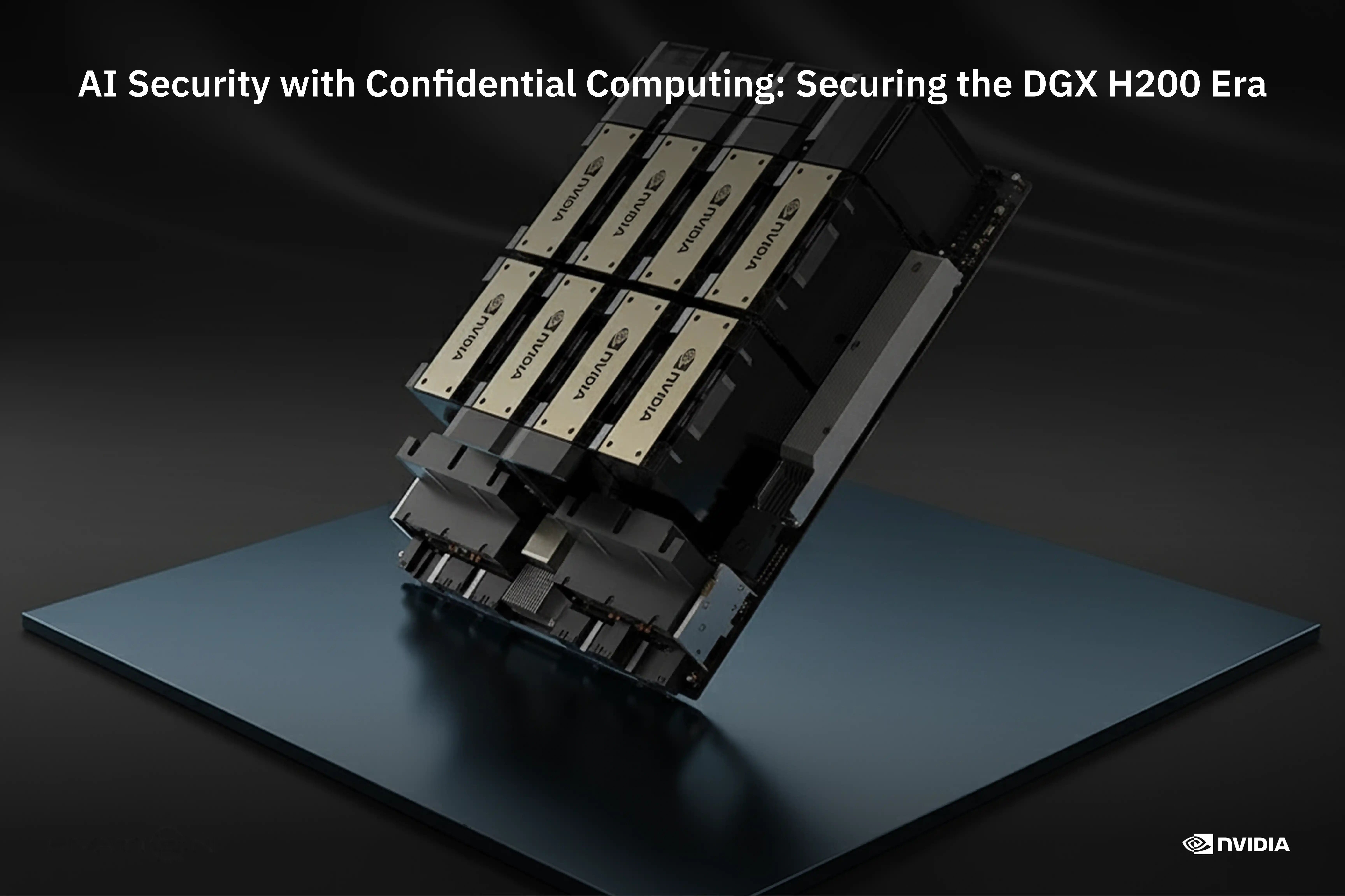
AI has entered the boardroom, the battlefield, and the operating room. But as models grow in capability and businesses deploy them across clouds and edges, one question becomes more critical than ever: Can we trust AI to be secure?
That’s where Confidential Computing and DGX H200 come in—not just as performance leaders, but as pillars of a new AI security strategy that aligns with privacy, integrity, and regulatory readiness.
Why AI Security Needs a New Playbook
Traditional cybersecurity methods—network firewalls, IAM policies, encryption at rest—are no longer enough in AI-first environments. Here’s why:
- AI models are IP: They’re not just tools. The weights, prompts, and training data are business secrets that must be protected like source code.
- Training involves sensitive data: In sectors like healthcare and finance, training models involves patient records, transaction logs, and biometric signatures.
- AI is not static: Unlike traditional applications, models continuously evolve through fine-tuning, federated learning, and user feedback loops—introducing fresh attack surfaces.
Enter Confidential Computing—a paradigm that moves beyond perimeter security and brings trust directly into the silicon.
What is Confidential Computing?
Confidential computing secures data in use—not just at rest or in transit—by running workloads in Trusted Execution Environments (TEEs). These are hardware-isolated areas of a CPU or GPU where code and data remain protected, even from the host OS or cloud provider.
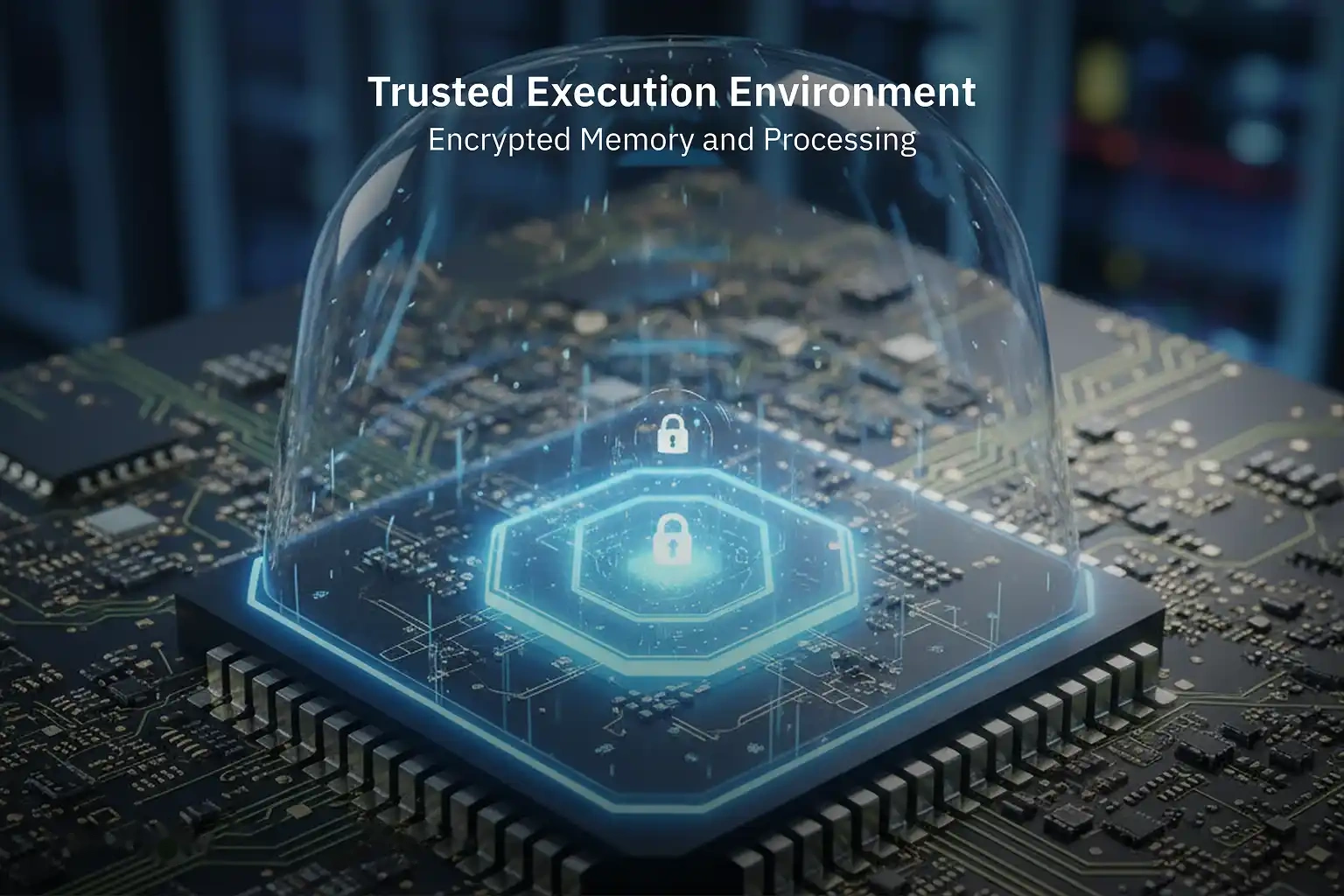
With confidential computing, AI workloads gain:
- Encrypted memory and processing
- Tamper-proof model execution
- Remote attestation to verify runtime integrity
- Stronger compliance with standards like GDPR, HIPAA, and ISO/IEC 27001
Why DGX H200 is Built for AI Security
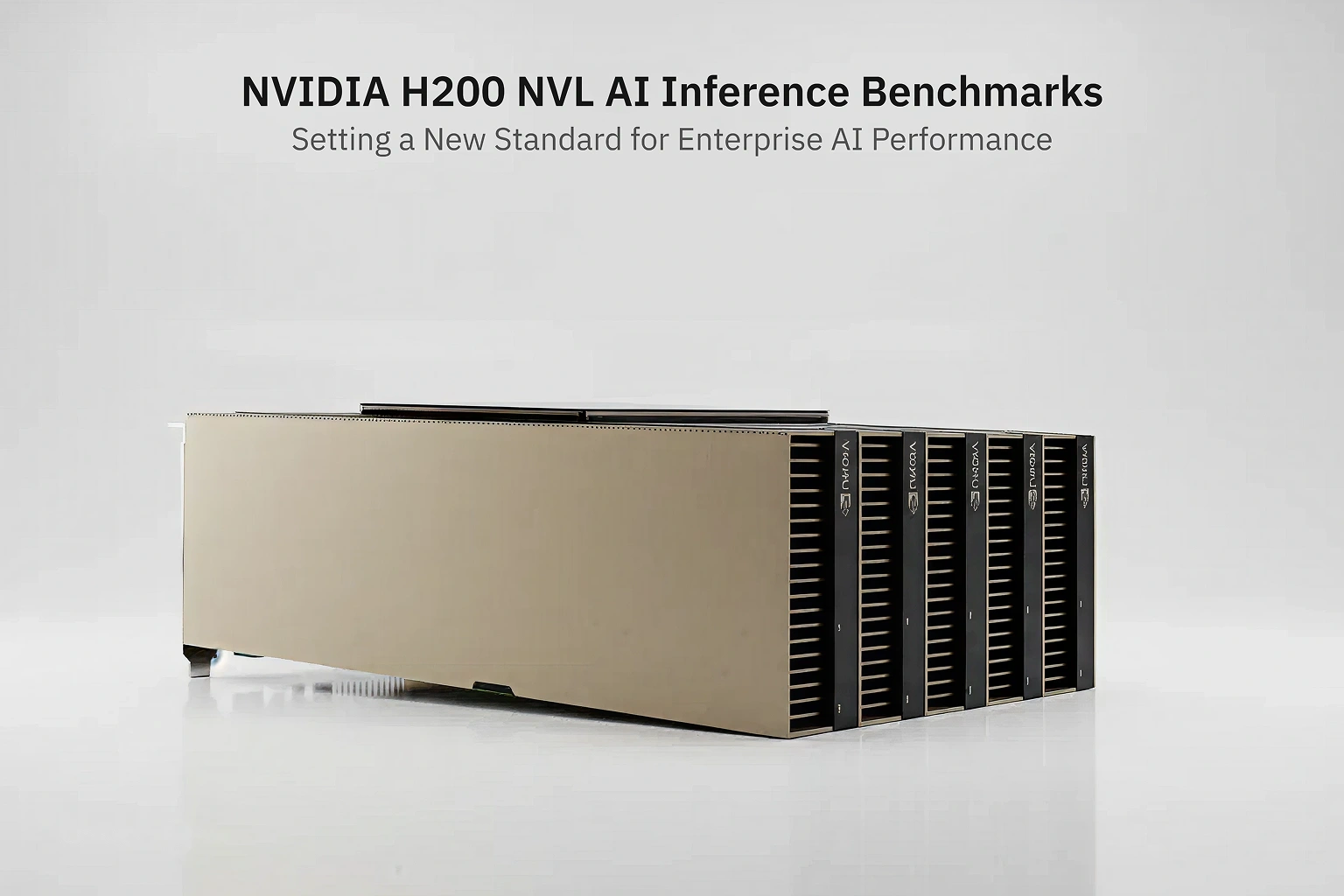
NVIDIA’s DGX H200 system is more than a compute powerhouse—it’s a trust anchor for secure AI deployments. Here’s how it enables AI security at the hardware-software boundary:
1. HBM3e Memory Meets Confidential AI
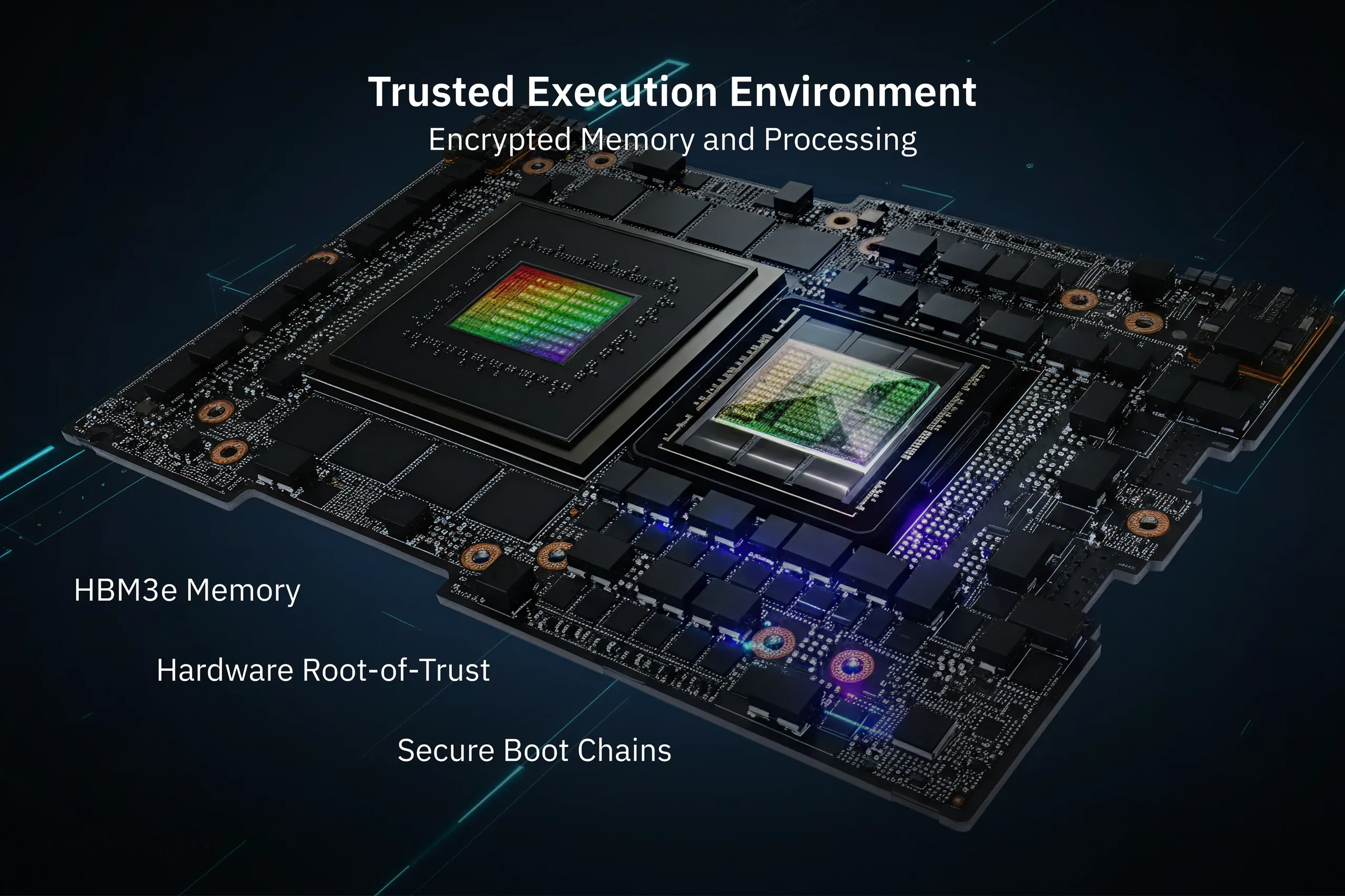
The H200 GPU brings 141 GB of HBM3e memory—ideal for large language models (LLMs). But the DGX platform wraps this memory with hardware root-of-trust, firmware attestation, and secure boot chains.
Even if you’re deploying a billion-parameter model, the data and logic remain protected from side-channel leaks or host intrusion.
2. NVIDIA Confidential Computing Architecture
DGX H200 integrates with NVIDIA’s end-to-end confidential AI stack:
- GPU Confidential Containers
- Enclave-Enabled Runtimes (e.g., PyTorch + Triton)
- Integration with industry TEEs (Intel SGX, AMD SEV, Arm CCA)
- Remote Attestation APIs for real-time trust validation
It’s not just theory—these confidential workflows have been validated in zero-trust cloud environments.
3. Secure Federated Learning and Inference
With DGX H200, organizations can run federated learning workloads without exposing their data or model logic—even across untrusted edges or partners. This is essential for:
- Multi-hospital AI research
- Cross-border financial modeling
- Multi-tenant AI platforms
Through Confidential Multi-Party Computation (MPC) and Homomorphic Encryption accelerators, the DGX H200 becomes a secure training and inference hub.
Real-World Threats, Real-World Defense
The threat landscape isn’t hypothetical. Recent security incidents have shown:
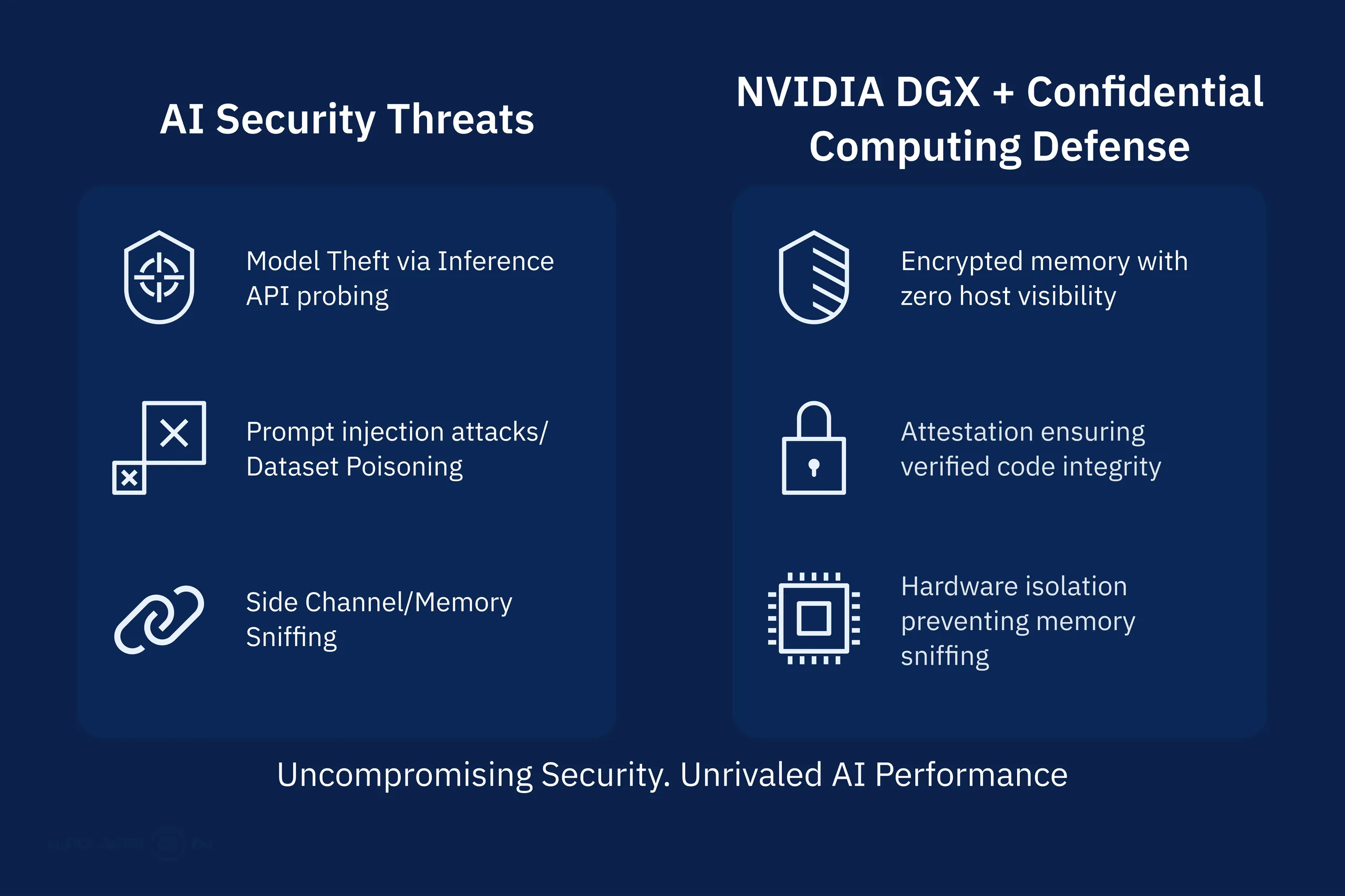
- Model theft via inference API probing
- Prompt injection attacks against hosted LLMs
- Data leakage from shared cloud GPUs
- Poisoned fine-tuning datasets leading to model corruption
Confidential computing on DGX H200 addresses these threats head-on:
| Threat | Confidential Computing + DGX H200 Defense |
|---|---|
| Model Theft | Runs models inside encrypted memory with zero host visibility |
| Prompt Injection | Verifies input chain integrity via enclave validation |
| Side-Channel Attacks | Hardware isolation prevents memory sniffing and timing leaks |
| Dataset Poisoning | Attestation ensures verified code and dataset integrity |
AI Security Meets Performance: No Trade-offs
Traditionally, security came at the cost of performance. But the DGX H200 flips this script.
- NVLink 4.0 + NVSwitch fabric enables secure high-speed communication between GPUs
- FP8 and TF32 support allow privacy-preserving AI with reduced compute overhead
- Triton Inference Server + NVIDIA NeMo Guardrails add runtime control without latency spikes
The result: end-to-end protected AI, from model loading to final inference—without sacrificing speed.
Semifly’s Approach to Confidential AI Deployment
At Semifly, we help enterprises go beyond AI pilots and build production-grade secure AI systems with DGX H200.
Our deployment stack includes:
- Secure Infrastructure Blueprinting – Root-of-trust hardware design
- Confidential AI Integration – Setup of NVIDIA Confidential Containers and secure enclaves
- Attestation Workflows – Remote verification scripts for cloud, edge, and on-prem
- Governance Layer – Aligning with compliance frameworks like NIST CSF, ISO 27001, and sector-specific norms
Whether you’re a fintech deploying a credit scoring model or a hospital group building a federated LLM, Semifly ensures you don’t compromise on trust while scaling AI.
Conclusion: The Future of AI Security Is Confidential
We’re entering an era where AI security is no longer a ‘compliance box’—it’s a core part of AI infrastructure design. And just like we adopted GPUs for compute, we must now adopt confidential computing for trust.
The DGX H200 is proof that you don’t need to choose between AI performance and AI protection. With the right architecture and partner, you can build AI that’s not only powerful—but also private, compliant, and secure by design.
More Similar Insights and Thought leadership
No Similar Insights Found
Subscribe today to receive more valuable knowledge directly into your inbox
We are writing frequenly. Don’t miss that.
Subscribe to get updates

Unregistered User
It seems you are not registered on this platform. Sign up in order to submit a comment.
Sign up now