

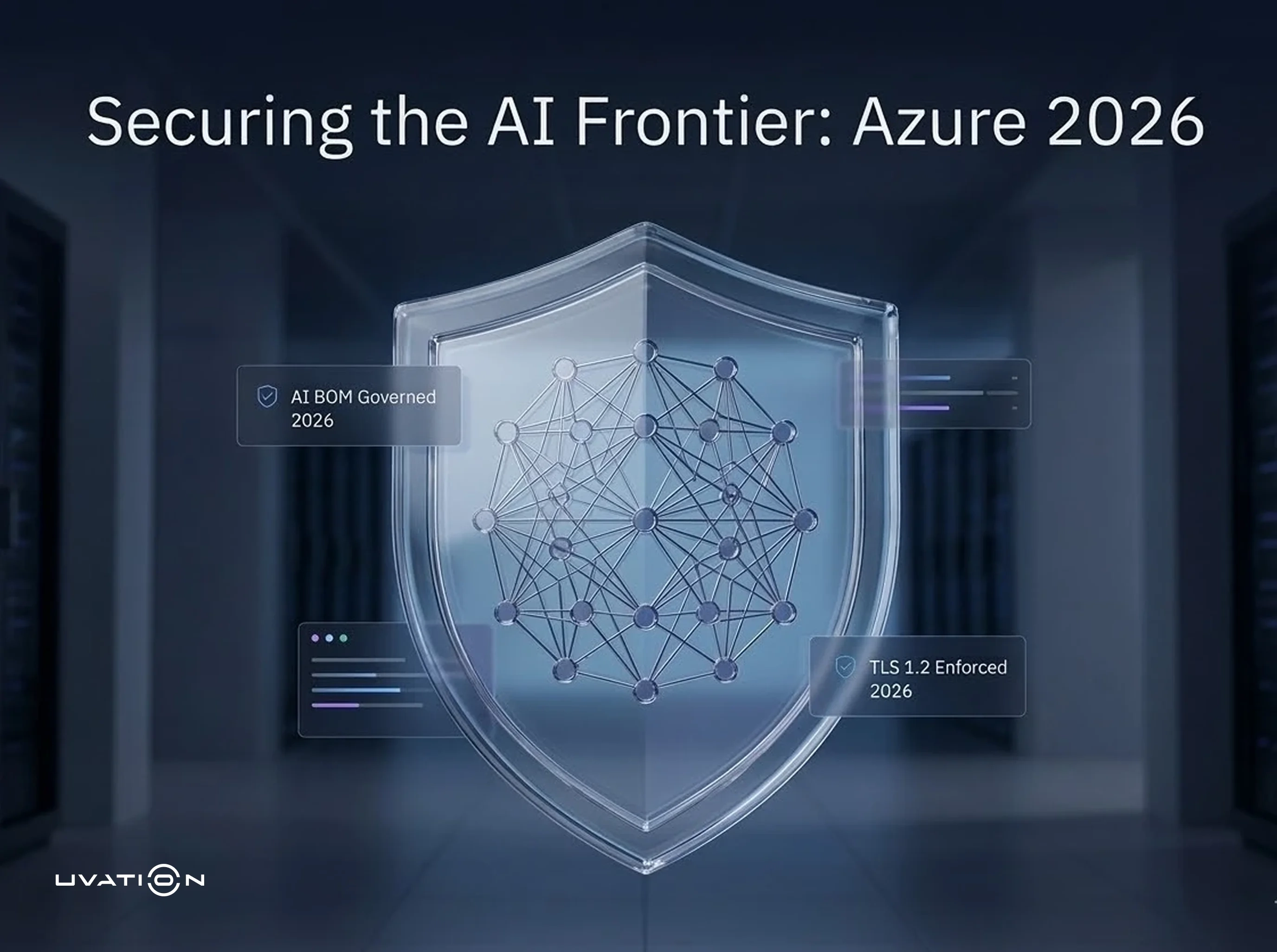
Platform Security Enhancements in Azure: 2026 Update
In the past year, Microsoft has made security its top engineering priority, committing to a company-wide Secure Future Initiative (SFI) and aligning product teams around…
•

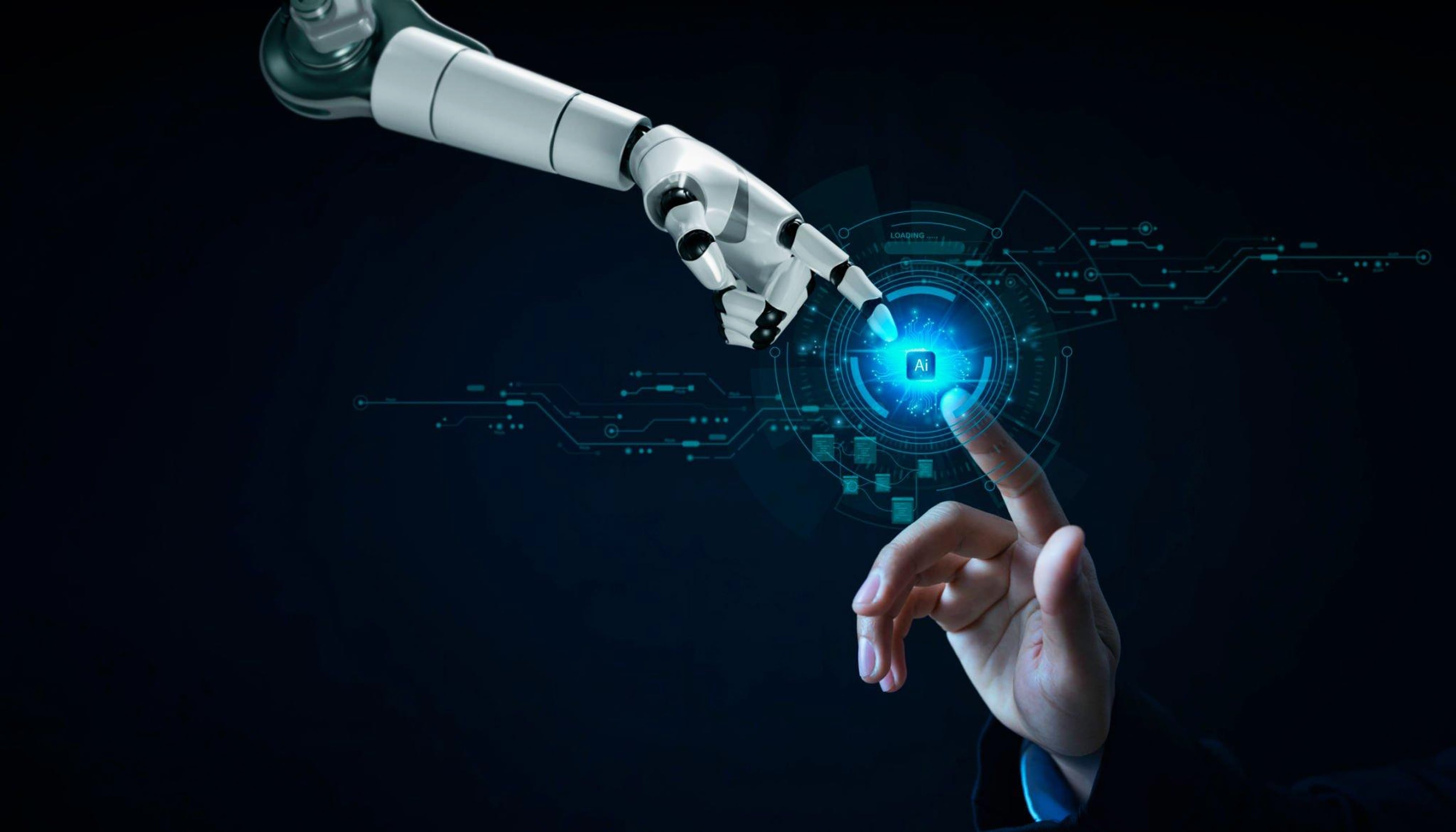
In today’s fast-paced world, artificial intelligence (AI) and automation often get a bad rap as job stealers. But if we take a closer look, we’ll see these technologies are actually helping us be more human. They free us from repetitive tasks, letting us focus on what truly matters. Understanding this shift is key to shaping a future where technology and humanity thrive together.
Unlocking Human Potential
AI and automation aren’t about replacing us; they’re about empowering us. By taking over mundane tasks, these technologies give us the time to be creative, strategic, and empathetic. A McKinsey report found that 60% of jobs could see 30% of their activities automated, which means more time for meaningful work.
Imagine a healthcare worker who no longer has to drown in paperwork. AI can manage patient records and scheduling, freeing them to give more personalized care. This not only boosts job satisfaction but also improves patient outcomes. In the legal field, AI can handle tedious document reviews, allowing lawyers to focus on case strategies and client relationships.
Promoting Inclusivity
AI and automation are making workplaces more inclusive, especially for people with disabilities. Tools like speech-to-text applications and automated screen readers are breaking down barriers, enabling more people to contribute effectively. The World Economic Forum reports that these technologies can significantly enhance accessibility.
For IT leaders, this means creating a work environment where everyone’s unique skills are valued. Prioritizing accessible technology isn’t just ethical; it also expands the talent pool. AI can even help remove biases in hiring, promoting a more diverse and equal workforce.
Enhancing Work-Life Balance
Integrating AI and automation into daily workflows is transforming our work-life balance. Automated systems handle routine tasks, reducing long hours and burnout. Gartner found that companies using AI saw a 20% boost in employee satisfaction, thanks to better work-life balance.
Take customer service chatbots, for example. These AI-driven tools handle inquiries around the clock, allowing human agents to tackle more complex issues during their regular hours. This not only improves customer satisfaction but also prevents employees from getting overwhelmed by repetitive queries. AI can also help manage workloads by reallocating resources to avoid overwork, promoting a healthier balance.
Fostering Lifelong Learning
With technology evolving so rapidly, continuous learning is a must. AI-powered learning platforms are revolutionizing education and professional development by personalizing the learning experience. These platforms adapt to individual learning styles and needs, making learning more efficient and engaging.
For IT professionals, embracing AI in education means creating a culture of lifelong learning. Tailored training programs keep employees up-to-date with the latest tech and methodologies, ensuring the organization stays competitive. AI-driven learning systems can even recommend courses based on career goals and skill gaps, making professional development more effective.
Humanizing Customer Interactions
AI and automation have a profound impact on customer interactions. Advanced AI algorithms analyze customer data to deliver personalized experiences, anticipating needs and preferences with remarkable accuracy. Salesforce reports a 50% increase in customer satisfaction for companies using AI for personalization.
Think about AI-driven recommendation systems on e-commerce sites. They enhance the shopping experience by understanding individual preferences, fostering loyalty and trust. This kind of personalization builds deeper connections with customers. AI can also predict and address customer issues proactively, enhancing overall satisfaction.
Building Empathy and Understanding
AI and automation can help us build more empathetic interactions. AI-driven sentiment analysis tools can gauge customer emotions, allowing businesses to respond more thoughtfully. This is particularly valuable in customer service, where understanding emotions can significantly boost satisfaction and loyalty.
AI can also help organizations understand employee sentiment, promoting a positive workplace culture. By analyzing feedback and identifying trends, businesses can address issues proactively and support employee well-being. For instance, AI can analyze feedback from surveys or social media to identify common pain points and suggest targeted interventions to improve morale.
Supporting Mental Health
AI and automation are making strides in mental health support. AI-powered chatbots and applications offer immediate assistance, recommend resources, and alert professionals in critical situations. This timely help reduces the stigma of seeking mental health support.
For organizations, integrating such tools promotes a healthier work environment. Providing employees with access to mental health resources improves overall well-being and productivity. AI can also identify early signs of burnout or stress, enabling timely interventions.
Conclusion
As AI and automation continue to evolve, their role in making our world more human becomes clearer. By freeing us from mundane tasks, fostering inclusivity, improving work-life balance, enabling lifelong learning, personalizing customer interactions, and supporting mental health, these technologies are transforming our society for the better. Embracing a human-centric approach to technology is not just smart; it’s essential.
Leading with empathy and foresight allows us to harness AI and automation to enrich lives and enhance our collective potential. This journey towards a more human world isn’t just about technology; it’s about building a better, more inclusive, and empathetic society.
In the end, AI and automation aren’t just about efficiency. They’re catalysts for a future where technology and humanity coexist harmoniously, enhancing our quality of life. For senior IT professionals, this means staying ahead of technological advancements and leading with a vision that prioritizes human values and well-being.


We are writing frequenly. Don’t miss that.

Unregistered User
It seems you are not registered on this platform. Sign up in order to submit a comment.
Sign up now