FEATURED STORY OF THE WEEK
Orchestrating the Digital Symphony: Essential Network Devices Explained

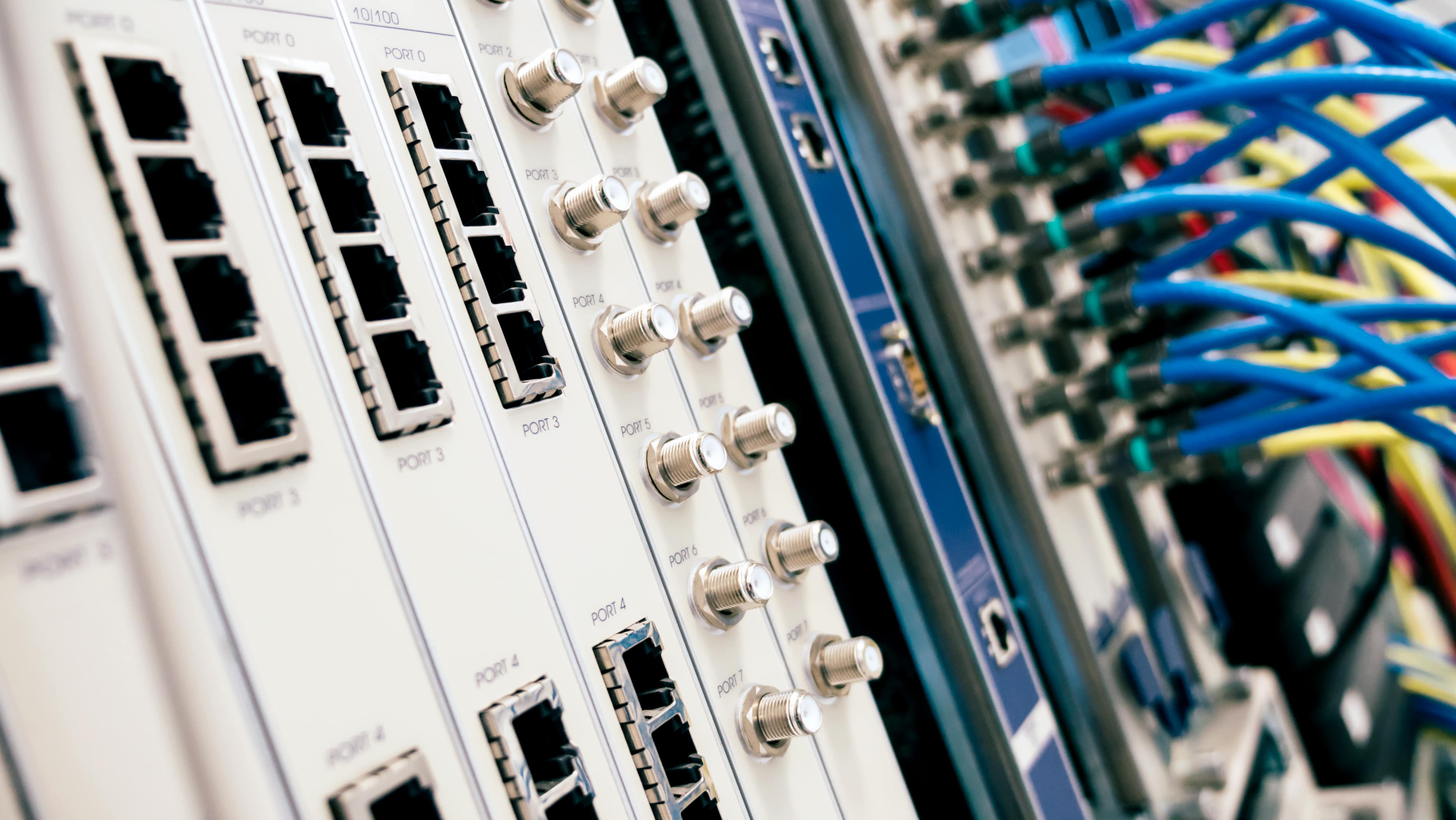
In today’s hyper-connected world, data is the lifeblood of businesses and individuals alike. But how does this information travel seamlessly across vast distances and complex networks? The answer lies in the unsung heroes of the digital age: networking devices. These specialized pieces of hardware silently orchestrate the flow of data, ensuring smooth communication and efficient information exchange.
The Network Ecosystem: A Symphony of Devices
A network can be visualized as a bustling metropolis, with data packets acting as the citizens and networking devices functioning as the crucial infrastructure that keeps everything moving. Let’s explore some of the key players in this digital ecosystem:
• Switches: The traffic controllers of a network, switches intelligently direct data packets to their intended destinations on the same network segment. They learn the MAC addresses (unique identifiers) of connected devices, ensuring efficient and targeted data flow.
• Routers: Operating at a higher level than switches, routers connect different networks and make intelligent routing decisions. They analyze the destination IP addresses (internet protocol addresses) of data packets and choose the most efficient path to send them across the network.
• Firewalls: The security guards of the network, firewalls act as a barrier, filtering incoming and outgoing traffic based on predefined rules. They protect networks from unauthorized access, malicious attacks, and unwanted traffic.
• Hubs: While less common in modern networks due to their limitations, hubs simply broadcast data packets to all connected devices on the network segment. This can lead to congestion, making them unsuitable for high-performance networks.
• Network Access Points (NAPs): These devices provide wireless connectivity within a network, allowing devices to connect to the network without needing a physical cable.
• Load Balancers: In large networks with high traffic volumes, load balancers distribute incoming traffic across multiple servers to ensure optimal performance and prevent overloading any single server.
Data Center Networking: The Powerhouse of Connectivity
Data centers house the critical servers and storage systems that power modern businesses. Within these facilities, high-performance networking devices play a crucial role in ensuring efficient data flow and communication. Here are some specific examples to illustrate these concepts:
• Dell EMC MX7116N Fabric Expander Module: This high-performance fabric expander from Dell EMC is designed for large-scale data centers, providing exceptional scalability and low latency for mission-critical applications.
• Dell PowerSwitch E3200 Series : This series of affordable and manageable Gigabit Ethernet switches from Dell is ideal for smaller data centers or edge deployments, offering reliable connectivity for basic network needs.
• Dell PowerSwitch S4112T-ON S Series : This high-density, 10GbE switch from Dell is well-suited for growing data centers requiring increased bandwidth and performance for virtualized environments and cloud workloads.
Storage Networking: Streamlining Data Access
Storage networking focuses on connecting storage devices to servers and other network components. This allows for centralized management and access to data, promoting scalability and performance.
• Storage Area Networks (SANs): SANs are dedicated high-speed networks specifically designed for connecting storage devices to servers. They offer high performance and scalability, ideal for mission-critical applications requiring rapid access to data.
• Network Attached Storage (NAS): NAS devices are self-contained file-level storage devices that connect directly to the network. They offer a more cost-effective solution for basic file sharing needs, making them well-suited for smaller businesses or specific departments.
Green Networking: Building a Sustainable Digital Future
As our reliance on data grows, so does our responsibility for the environment. Green networking practices focus on minimizing the energy consumption of network devices without sacrificing performance. Manufacturers are developing devices with lower power requirements and smarter cooling systems. Additionally, techniques like traffic shaping and network optimization can further reduce energy consumption.
Virtualization also plays a role in green networking. By consolidating multiple physical servers into virtual machines, organizations can minimize the number of network devices needed, leading to a smaller environmental footprint.
By understanding the essential role of networking devices and embracing green practices, we can ensure smooth data flow for a sustainable digital future.


More Similar Insights and Thought leadership
No Similar Insights Found
Subscribe today to receive more valuable knowledge directly into your inbox
We are writing frequenly. Don’t miss that.
Subscribe to get updates

Unregistered User
It seems you are not registered on this platform. Sign up in order to submit a comment.
Sign up now