FEATURED STORY OF THE WEEK
The Backbone of Wired Networks: Understanding Ethernet Switches

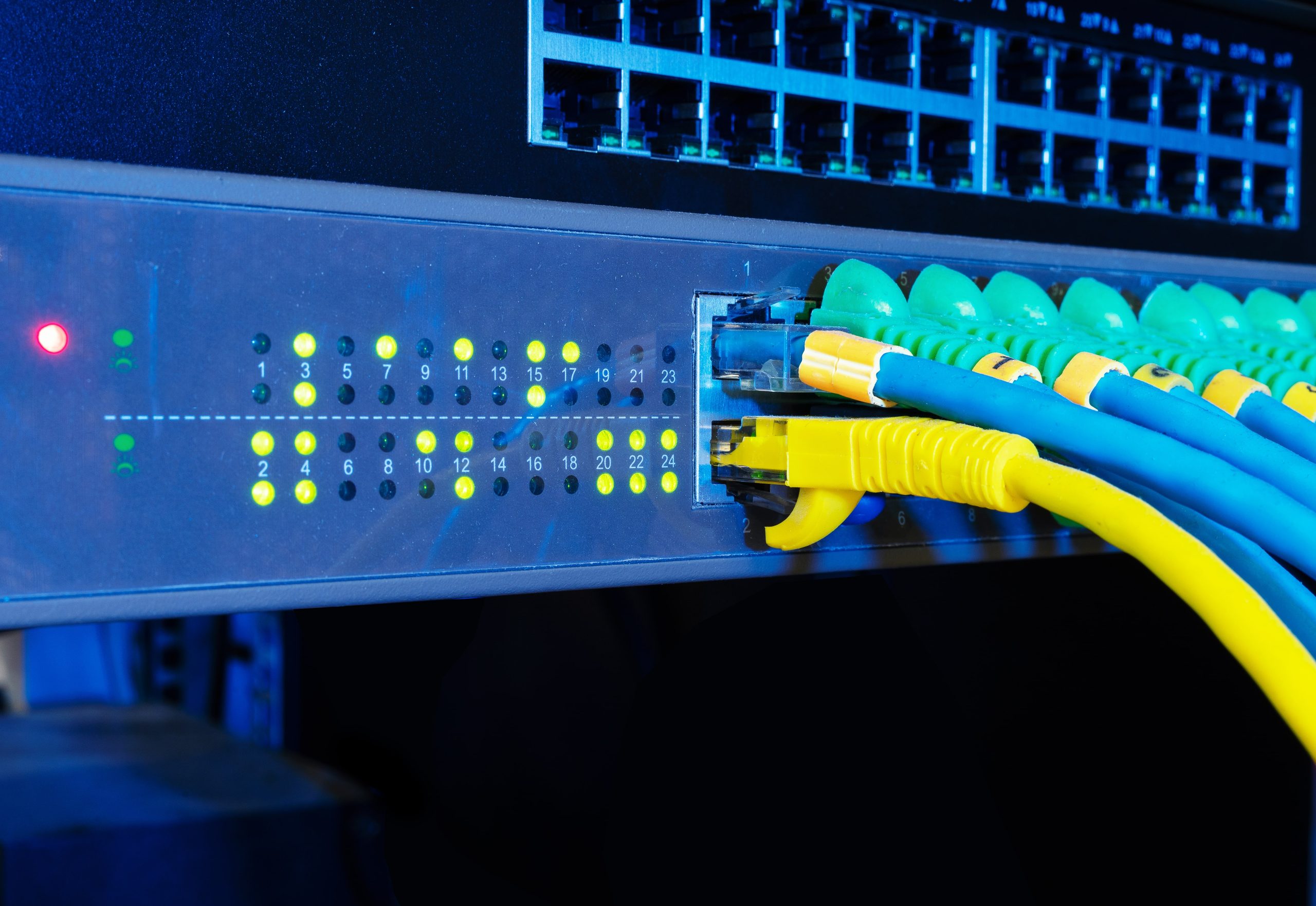
Demystifying Ethernet Switches: The Wired Networks Workhorse
Today is a world where data is king, and a dependable and fast network plays a significant role. Ethernet switches work behind the scenes, helping to make this happen by being considered brilliant traffic directors within wired networks. Unlike hubs, which send packets of data in all directions, switches use Media Access Control (MAC) addressing to forward data only where it needs to go. This focused technique lessens network congestion and increases overall performance.
Basic Characteristics of Ethernet Switches
Modern Ethernet switches have been designed and loaded with many features to make them deliver to the varied needs of networks. Let’s now look at some of the critical functionalities:
• Port Speed and Capacity: Switches also come in different speeds, ranging from Fast Ethernet (100 megabits per second) to Gigabit Ethernet (1 gigabit per second) up to 10 Gigabit Ethernet (10 gigabits per second), for high-bandwidth applications. The speed you will choose is based on network traffic and needs of devices on the network.
• Number of Ports: Switches come in sizes that range from a small number of ports designed for home or small office use up to extremely high-density models with dozens of ports for huge setups.
• Security Features: Managed switches come with advanced security options such as access control lists (ACLs) and Virtual Local Area Networks (VLANs) to help segment networks so unauthorized persons cannot gain entry.
• Power Over Ethernet (PoE): PoE switches, therefore, do power IP phones and security cameras directly by the Ethernet cable, eliminating the need for an extra power supply.
• Management Options: There are two types of switches: unmanaged, simple plug-and-play and managed. A managed switch has a web interface or CLI to configure it in many detailed ways—for example, switch configurations to help optimize better network performance or troubleshooting.
Pros of Utilizing Ethernet Switches
Incorporating switches in an Ethernet network is more valuable because:
• Improved Network Performance: Switches handle data traffic effectively, ensuring a reduction in congestion and latencies, making data transfer faster and resulting in better and smoother experiences.
• Better Scalability: As you grow your network, you can easily add more devices by just attaching them to the switch while still retaining your performance level.
• Enhanced Security: Another feature of the managed switches is access control, which guarantees the protection of sensitive data and resources from exposure to the wrong hands.
• Power Efficiency: PoE switches make network management more accessible, as power can be given to all compatible devices along with Ethernet cables. This not only saves energy but also simplifies the application’s power system configuration and eliminates the need for more power supplies.
• Cost-Effectiveness: Switches are much more economical in large networks than hubs because they manage data better.
Routing in the Ethernet Switch Market: Top Picks and Things to Think About
1. Cisco Catalyst Series: The catalyst switches by Cisco are reputed for reliability, advanced features, strong performance, and scalability. The incorporated security and management tools are best-of-breed and find immense favor in most enterprise settings.
2. Juniper Networks EX Series: Juniper’s EX Series are the high-performance, highly reliable switches used in data center and enterprise networks. Moreover, they blend in perfectly with other products under Juniper, making them a versatile option.
3. Dell PowerSwitch S4112T-ON: The S4112T-ON offers 12 x 10GbE ports and 3 x 100GbE ports, apt for high-performance computing environments and with advanced automation and programmability features.
4. Arista Networks 7000 Series: Arista 7000 Series switches are purpose-built with ultra-low latency performance applicable to data center use. They are highly programmable and automated in ultra-efficient ways.
5. HP Aruba 5400R Series: HP Aruba switches are flexible, scale-out, and secure solutions. Of them, the 5400R Series features advanced Layer 3 capabilities and high availability features relevant in complex network environments.
6. Brocade ICX Series: The ICX Series by Brocade is one of the most scalable and high-performing campus- and data center-switch families available, boasting flexible deployment with solid security features.
Ethernet switches are the cornerstone for constructing any kind of network infrastructure with modern improvements in performance, security, and scalability. Dell PowerSwitch S-Series is considered one of the famous brand. Other brands include Cisco, HPE Aruba, and Juniper Networks, some of the leading vendors in this technology segment. As a wide range of the same series from Dell—PowerSwitch—is available in the Semifly marketplace, it enables customers to find an ideal quality option that is matched with their particular needs. That way, businesses can choose networking infrastructures that make sure the correct features and benefits of Ethernet switches are appreciated for effective and reliable services.

More Similar Insights and Thought leadership
No Similar Insights Found
Subscribe today to receive more valuable knowledge directly into your inbox
We are writing frequenly. Don’t miss that.
Subscribe to get updates

Unregistered User
It seems you are not registered on this platform. Sign up in order to submit a comment.
Sign up now