
SemiflyContact
FEATURED STORY OF THE WEEK

The Next Generation of Workstations: Dell, HP, and Microsoft Lead the Way

Written by :  
semifly
Team Semifly
4 minute read
June 21, 2024
Category : Information Technology
The Next Generation of Workstations: Dell, HP, and Microsoft Lead the Way

In the fast-paced world of information technology, staying ahead means leveraging the best tools available. For businesses, especially those focused on B2B operations, the workstation is a cornerstone of productivity and innovation. Understanding what makes a workstation powerful, how they’ve evolved, and the emerging technologies that are transforming them is crucial. Let’s delve into the essentials of workstations, their evolution and other highlights.


What is a Workstation?


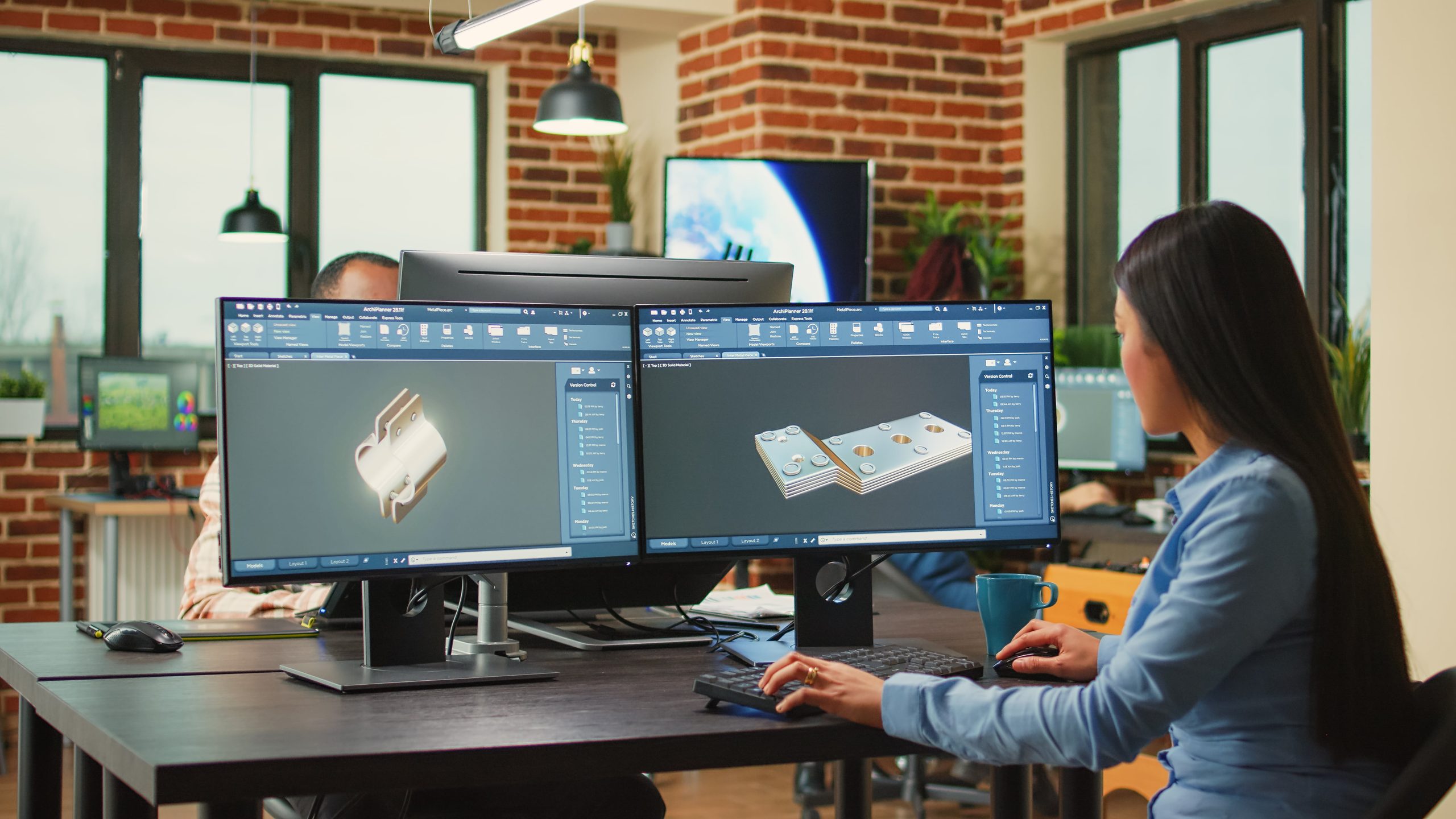
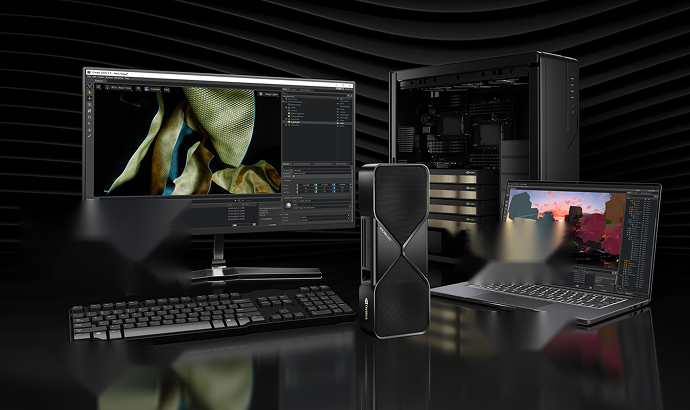
A workstation is a high-performance computer designed for technical or scientific applications. Unlike regular desktop computers, workstations are built to handle intensive computational tasks, large datasets, and complex graphics rendering. They are commonly used by engineers, architects, data scientists, graphic designers, and other professionals who require robust computing power and reliability.


Workstation Evolution


The evolution of workstations mirrors the rapid advancements in technology. Initially, workstations were specialized, expensive machines used in specific fields like aerospace and medical imaging. Over the years, they have become more accessible and versatile, expanding into various industries due to significant improvements in hardware and software.


Early Days:


• The first workstations appeared in the 1980s, characterized by their use of UNIX operating systems and proprietary hardware.
• These early models were powerful but costly, limiting their use to high-budget projects and organizations.


1990s to 2000s:


• The introduction of x86 architecture and Windows NT brought workstations to a broader market.
• This period saw the rise of brands like Dell and HP, which started offering more affordable and standardized workstations.


Recent Decades:


• Modern workstations are equipped with multi-core processors, advanced GPUs, and large memory capacities.
• The integration of SSDs, high-resolution displays, and enhanced connectivity options has further boosted their performance and usability.


Advanced Technologies Changing the Workstation Landscape


Several emerging technologies are reshaping the workstation landscape, making them more powerful and versatile than ever.


Artificial Intelligence (AI) and Machine Learning (ML):


• AI and ML workloads demand immense computing power, which modern workstations are increasingly designed to handle.
• AI-optimized processors and dedicated ML hardware accelerators are becoming common in high-end workstations.


Virtual Reality (VR) and Augmented Reality (AR):


• The integration of VR and AR in design, simulation, and training applications is pushing the boundaries of workstation capabilities.
• High-performance GPUs and VR-ready hardware are essential for seamless VR/AR experiences.


Cloud Computing and Remote Work:


• The rise of cloud computing allows for hybrid workstation setups, combining local performance with cloud resources.
• Remote work trends have led to the development of compact, portable workstations without compromising on power.


5G Connectivity:


• Enhanced connectivity through 5G enables faster data transfer and real-time collaboration, crucial for remote and distributed teams.
• Workstations with integrated 5G modules are becoming more prevalent.


Top Brands for Future-Focused Workstations


Staying ahead in the competitive B2B landscape requires investing in future-proof workstations. Here are some top brands and their standout models that cater to forward-thinking businesses.


Dell:


• OptiPlex 7410 Plus All In One-Core i7 13700 2.1 GHz -vPro Enterprise-16 GB-SSD 512 GB-LED: This all-in-one model combines sleek design with powerful performance. Ideal for space-conscious offices, it boasts an Intel Core i7 processor, 16 GB RAM, and a 512 GB SSD, making it perfect for demanding business applications.
• Precision 7820 Tower Workstation: Known for its scalability and performance, the Precision 7820 is built to handle complex tasks. It features dual-socket architecture, support for multiple GPUs, and extensive memory options, making it suitable for AI, ML, and VR applications.


HP:


• EliteOne 870: The EliteOne 870 offers a blend of performance and aesthetics. With its powerful processing capabilities and advanced security features, it’s designed for businesses that require reliability and elegance.
• EliteOne 840: Similar to the 870, the EliteOne 840 is compact yet powerful. It includes the latest processors, ample memory, and robust security measures, ideal for modern work environments.


Microsoft:


• Surface Studio 2+ for Business-Core i7 11370H-32 GB-SSD 1 T: The Surface Studio 2+ is a game-changer for creative professionals. Its unique design, coupled with high-end specs like a Core i7 processor and 32 GB of RAM, makes it perfect for graphic design, 3D modeling, and other intensive tasks.


Workstations are evolving rapidly, driven by technological advancements and changing work environments. For B2B clients, choosing the right workstation is critical to staying competitive and productive. Brands like Dell, HP, and Microsoft are leading the way with their innovative and future-focused models. By understanding the latest trends and selecting the right tools, businesses can ensure they are well-equipped to meet the demands of tomorrow.


Explore these cutting-edge workstations and more at Semifly Marketplace to elevate your business operations and stay ahead in the IT landscape.


Bookmark me
Share on
Comments
Add your Comment

Explore Nvidia’s GPUs

Find a perfect GPU for your company etc etc
Go to Shop

FAQs

  • In today’s fast-paced business world, leveraging the best available tools is essential for staying ahead. For competitive B2B organizations, the professional workstation serves as a cornerstone of productivity and innovation. Making an informed investment in this critical hardware requires a clear understanding of its capabilities, its technological evolution, and the market leaders shaping its future. This document answers critical questions about modern workstation technology to empower strategic investment decisions and ensure your business is equipped to meet the demands of tomorrow. To that end, this FAQ addresses the fundamental definition of a modern workstation, the key technologies driving its evolution, and the market-leading models that merit consideration.

  • A workstation is a high-performance computer specifically designed for technical or scientific applications. Unlike standard desktop computers, workstations are engineered to handle intensive computational tasks, manage large datasets, and render complex graphics with superior power and reliability.
    They are the preferred tool for professionals in demanding fields, including:

    • Engineers
    • Architects
    • Data Scientists
    • Graphic Designers

    These machines provide the robust computing power necessary for professionals who cannot afford to be constrained by the limitations of consumer-grade hardware.

  • The evolution of the workstation mirrors the rapid advancements in computing technology, transforming them from niche, high-cost machines into more accessible and versatile tools used across numerous industries.

    Early Days (1980s): The first workstations were characterized by their use of UNIX operating systems and proprietary hardware. While powerful for their time, they were extremely costly, which limited their adoption to high-budget projects in specialized fields like aerospace and medical imaging.

    1990s to 2000s: This era marked a significant shift with the introduction of the x86 architecture and the Windows NT operating system. This standardization brought workstations to a much broader market, enabling the rise of brands like Dell and HP, who began offering more affordable and accessible models.

    Recent Decades: Modern workstations represent the pinnacle of this evolution. They are equipped with multi-core processors, advanced Graphics Processing Units (GPUs), large memory capacities, and solid-state drives (SSDs). The integration of high-resolution displays and enhanced connectivity options has further boosted their performance and usability for today’s complex workflows.

  • Several key technological drivers are fundamentally reshaping workstation capabilities, making them more powerful and versatile than ever before. These advancements are pushing the boundaries of what professionals can achieve.

    The four core technologies leading this transformation are:

    • Artificial Intelligence (AI) and Machine Learning (ML)
    • Virtual Reality (VR) and Augmented Reality (AR)
    • Cloud Computing and Remote Work
    • 5G Connectivity
  • AI and ML workloads demand immense computational power for tasks like model training and data analysis. In response, modern workstations are increasingly designed to handle these intensive processes efficiently. High-end workstations are now commonly equipped with specialized hardware, such as AI-optimized processors and dedicated ML hardware accelerators, to manage these demanding computations locally.

  • The growing integration of VR and AR in professional applications—including design, simulation, and training—is a significant driver of workstation innovation. These immersive technologies require substantial graphics power to create seamless and realistic experiences. Consequently, workstations are being developed with high-performance GPUs and other VR-ready hardware to meet the stringent requirements of these cutting-edge applications.

  • Cloud computing and the rise of remote work have had a dual impact on workstation design and function. The cloud allows for powerful hybrid setups, where the high performance of a local workstation is combined with the vast resources of the cloud. Simultaneously, the trend toward remote work has spurred the development of compact and portable workstations that deliver exceptional power without being tethered to a traditional office, enabling professionals to maintain productivity from anywhere.

  • Enhanced connectivity through 5G is transforming how workstations are used, particularly for remote and distributed teams. The high speed and low latency of 5G enable faster data transfers and facilitate real-time collaboration on large, complex projects. To capitalize on these benefits, workstations are increasingly being offered with integrated 5G modules, ensuring seamless connectivity for professionals on the go.

  • Three brands stand out as leaders in providing innovative and future-focused workstations that cater to the needs of forward-thinking businesses:

    • Dell
    • HP
    • Microsoft

    These companies are at the forefront of integrating next-generation technologies into their product lines, ensuring businesses can invest in hardware that is prepared for future challenges.

  • The Dell OptiPlex 7410 Plus All In One combines a sleek, integrated design with powerful, enterprise-grade performance. Its all-in-one form factor makes it an ideal solution for modern, space-conscious offices.

    Key Specifications:

    • Model: OptiPlex 7410 Plus All In One-Core i7 13700 2.1 GHz
    • vPro Enterprise-16 GB-SSD 512 GB-LED
    • Processor: Intel Core i7 13700 with vPro Enterprise
    • Memory: 16 GB RAM
    • Storage: 512 GB SSD

    Ideal Use Case: This model is perfect for businesses that need to run demanding applications but want to maintain a clean and minimalist workspace. Its robust internal components ensure it can handle intensive business tasks with ease.

  • The Dell Precision 7820 Tower is engineered specifically for scalability and extreme performance in handling complex, resource-heavy tasks.

    Standout Features:

    • Dual-socket architecture for maximum processing power
    • Support for multiple GPUs to accelerate graphics and computation
    • Extensive memory options for managing large datasets

    Target Applications: With its powerful and adaptable hardware configuration, the Precision 7820 is the ideal solution for workloads in AI, ML, and VR development.

  • HP’s EliteOne series offers powerful all-in-one solutions designed for modern business environments that prioritize reliability, security, and aesthetics.

    The HP EliteOne 870 offers a blend of high performance, elegant aesthetics, and advanced security features, making it suitable for businesses that demand both power and style.

    The HP EliteOne 840 is a compact yet powerful model that features the latest processors, ample memory, and robust security measures, delivering top-tier performance in a smaller footprint.
    Both models are ideal choices for modern workplaces that require dependable and secure computing solutions.

  • The Microsoft Surface Studio 2+ for Business is a game-changer designed specifically for creative professionals. Its unique form factor and high-end components are tailored for intensive creative workflows.

    Key Specifications:

    Processor: Core i7 11370H
    Memory: 32 GB of RAM
    Storage: 1 TB SSD

    Ideal Use Cases: This workstation excels in graphic design, 3D modeling, and other demanding creative tasks where a high-resolution, versatile display and powerful internal hardware are paramount.

  • In the current B2B landscape, selecting the right workstation transcends a simple IT procurement task—it is a core component of a company’s strategic technology roadmap. The decision directly impacts competitive advantage by enabling or constraining innovation. Equipping teams with high-performance hardware is crucial for attracting and retaining top-tier talent, who expect best-in-class tools to do their work. Furthermore, the choice of workstation dictates an organization’s capacity for long-term R&D in demanding fields like AI, data science, and engineering. Investing in the right hardware ensures future-readiness, accelerates development cycles, and solidifies a company’s ability to compete and lead in its industry.

More Similar Insights and Thought leadership

Platform Security Enhancements in Azure: 2026 Update

Platform Security Enhancements in Azure: 2026 Update

In the past year, Microsoft has made security its top engineering priority, committing to a company-wide Secure Future Initiative (SFI) and aligning product teams around…
7 minute read
High Tech and Electronics
Zero-Trust Security Implementation: How Managed Services Turn Strategy into Continuous Protection

Zero-Trust Security Implementation: How Managed Services Turn Strategy into Continuous Protection

Zero-trust security replaces obsolete perimeter defenses with a model that assumes breach and mandates explicit verification for every access request, regardless of location,. Unlike static…
14 minute read
Energy and Utilities
NVIDIA vGPU: Virtualize GPU Power for Modern Workloads

NVIDIA vGPU: Virtualize GPU Power for Modern Workloads

NVIDIA vGPU fundamentally transforms enterprise GPU resource allocation and utilisation by enabling multiple virtual machines (VMs) to share one physical GPU or assigning multiple vGPUs…
12 minute read
High Tech and Electronics
Inside the Nvidia H200: What Components Actually Matter for Enterprise AI

Inside the Nvidia H200: What Components Actually Matter for Enterprise AI

The Nvidia H200 is a powerful AI component, but its effective deployment for enterprise AI, particularly Large Language Models (LLMs), requires a deep understanding of…
4 minute read
High Tech and Electronics
Mellanox Spectrum-2 MSN3700 Switch Review: 32x200G Spine Powerhouse Tested

Mellanox Spectrum-2 MSN3700 Switch Review: 32x200G Spine Powerhouse Tested

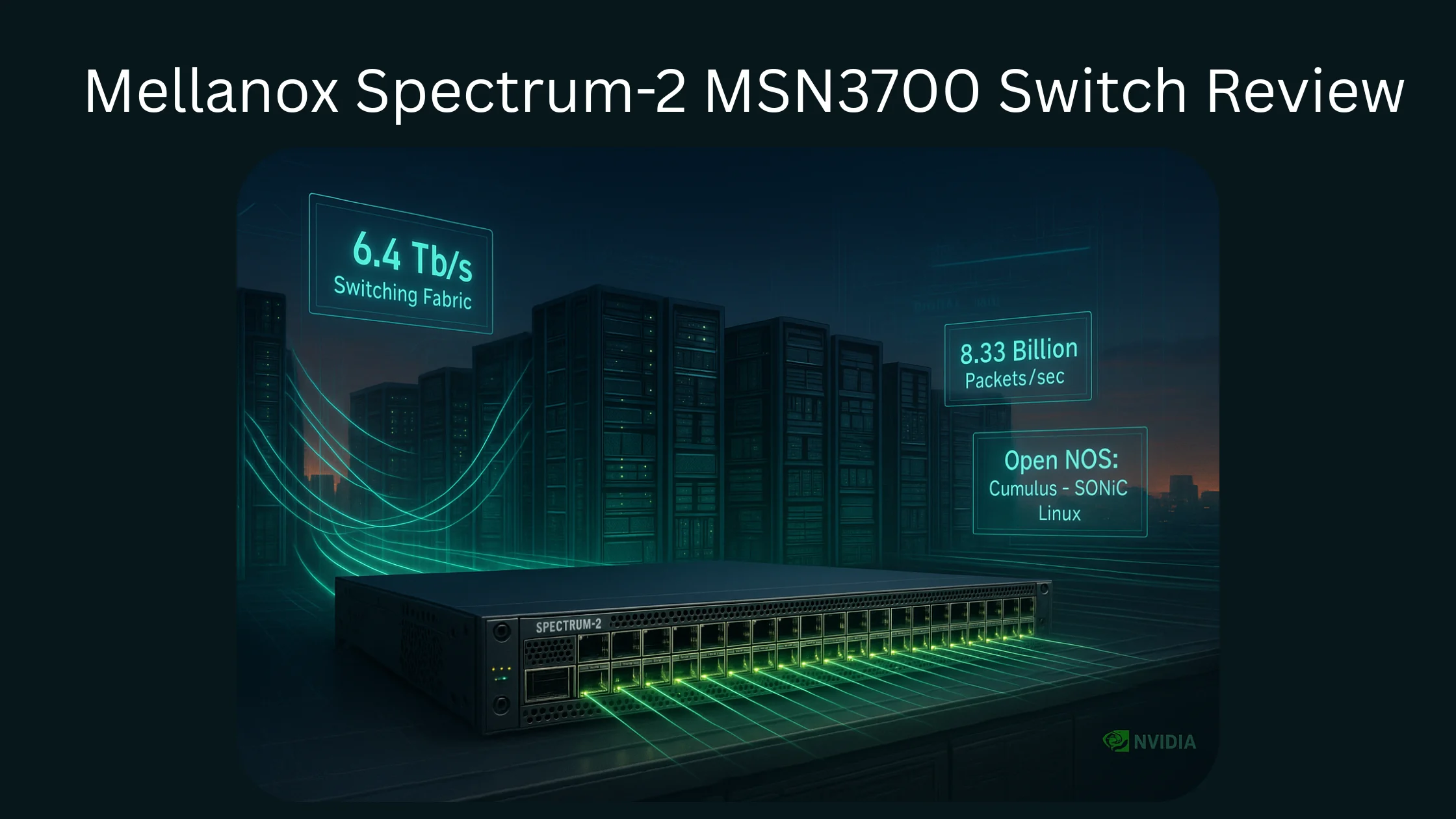
The Mellanox Spectrum-2 MSN3700 is NVIDIA’s 32-port 200GbE spine switch designed for high-performance AI, cloud, and telecom data centers. Built on the Spectrum-2 ASIC, it…
16 minute read
High Tech and Electronics
NVIDIA at Computex 2025: Building the Ecosystem, Not Just the Chips

NVIDIA at Computex 2025: Building the Ecosystem, Not Just the Chips

At Computex 2025, NVIDIA, led by CEO Jensen Huang, unveiled a bold vision transcending chip-making to orchestrate the AI economy. NVLink Fusion integrates third-party CPUs…
19 minute read
High Tech and Electronics
semifly